
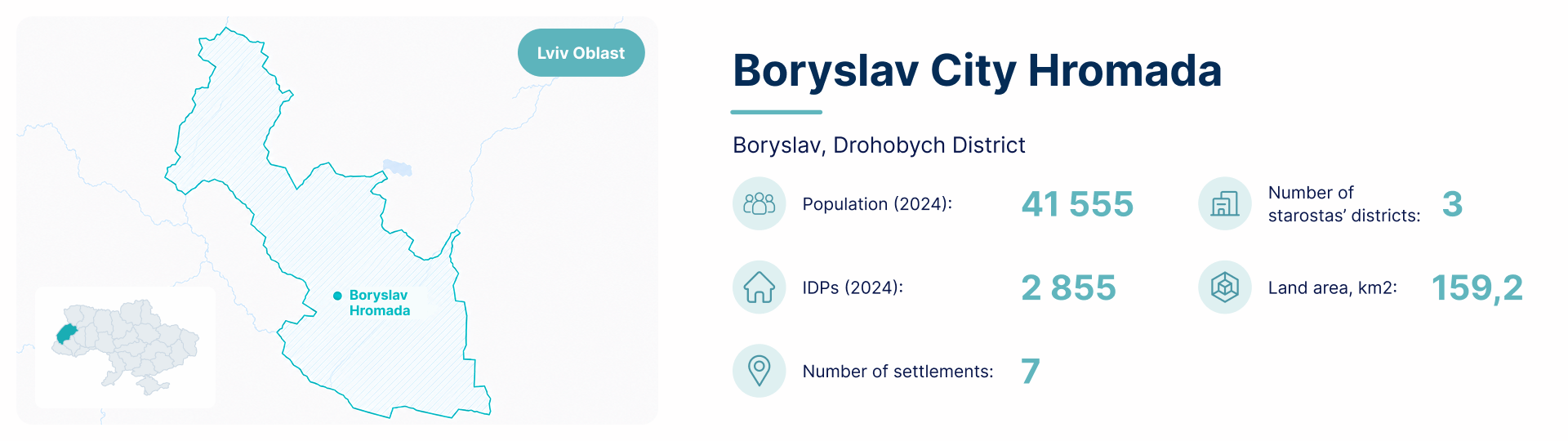
In Boryslav Hromada, residents can influence local decisions from the age of 14, initiating change has become easier, and internally displaced persons have the same rights as other residents.
This became possible following the adoption of the new Hromada Charter - one of the first in Ukraine to be developed under the updated framework with the involvement of residents. This story shows how a formal document can become a practical instrument for change, and how, with support from the Polaris Programme, Boryslav Hromada moved beyond formal procedures towards effective mechanisms for citizen participation.
Why Change Was Needed
Boryslav’s previous Charter no longer reflected either the new structure of the hromada following decentralisation or subsequent legislative changes. Adopted before the administrative-territorial reform, it did not cover all settlements within the hromada and did not provide for the full range of mechanisms enabling residents to participate in decisions on matters of local importance.
This issue is common to many Ukrainian hromadas, where charters are still absent or remain largely formal documents with little practical application. At the same time, legislative amendments on local democracy have expanded the forms of resident participation, and from 1 January 2027, every territorial hromada will be required to have an approved Charter.
To go beyond simply updating the document and instead establish an effective system of resident participation, Boryslav Hromada joined the Polaris Programme’s Citizen Engagement area. It became one of ten hromadas to receive comprehensive expert support.
The Role of Polaris: Turning a Document into a System for Participation
The Programme’s support went beyond drafting the Charter and covered the entire process, from methodology to implementation. In practice, this meant building a system in which residents can not only express their views, but also genuinely influence local decisions.
Boryslav Hromada received:
- expert support in drafting the Charter in line with current requirements;
- guidance in designing an open and inclusive process;
- support in conducting public consultations;
-
assistance in organising an information campaign.

The development of the Charter took several months and followed an open, multi-level process:
- a working group was established to coordinate the process;
- online consultations were conducted on the structure of the document and the participation mechanisms;
- meetings with residents were organised in the starosta districts to discuss the full text of the Charter;
- public hearings were held;
- residents’ proposals were incorporated before the document was finalised.
This approach made it possible not only to adopt the Charter, but also to develop a shared understanding of the rules governing interaction within Boryslav Hromada.
Information Campaign: Engaging Everyone
A separate and important stage was an information campaign implemented with the support of Polaris. It included:
- the production of a range of information materials;
- the use of multiple communication channels, from schools and libraries to public transport;
- information sessions with young people;
- communication through social media;
- non-standard outreach solutions, including sharing information through utility bills.
The campaign targeted all residents, with a particular focus on young people and internally displaced persons. It helped explain the changes and showed residents how they could take part.
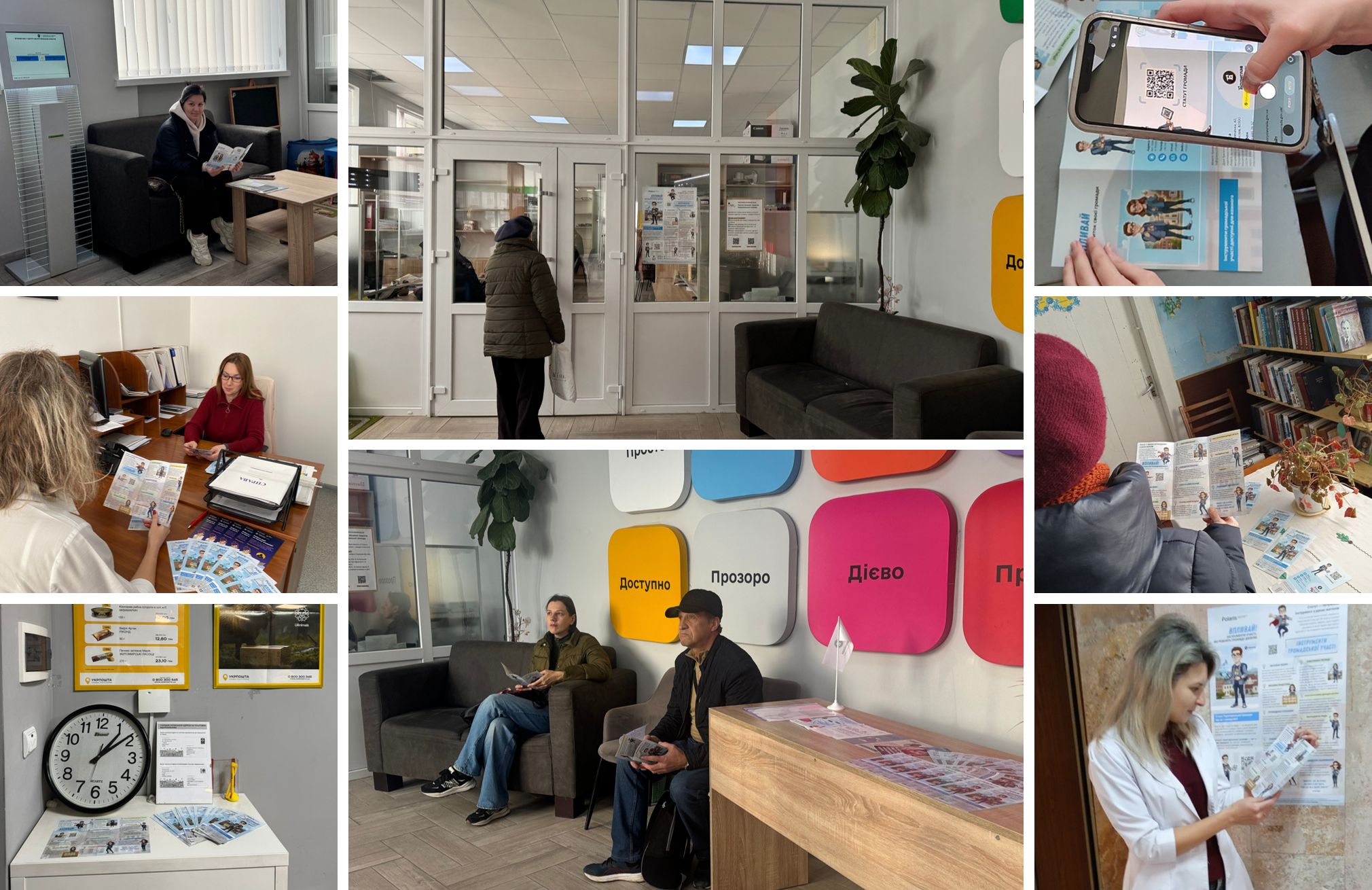
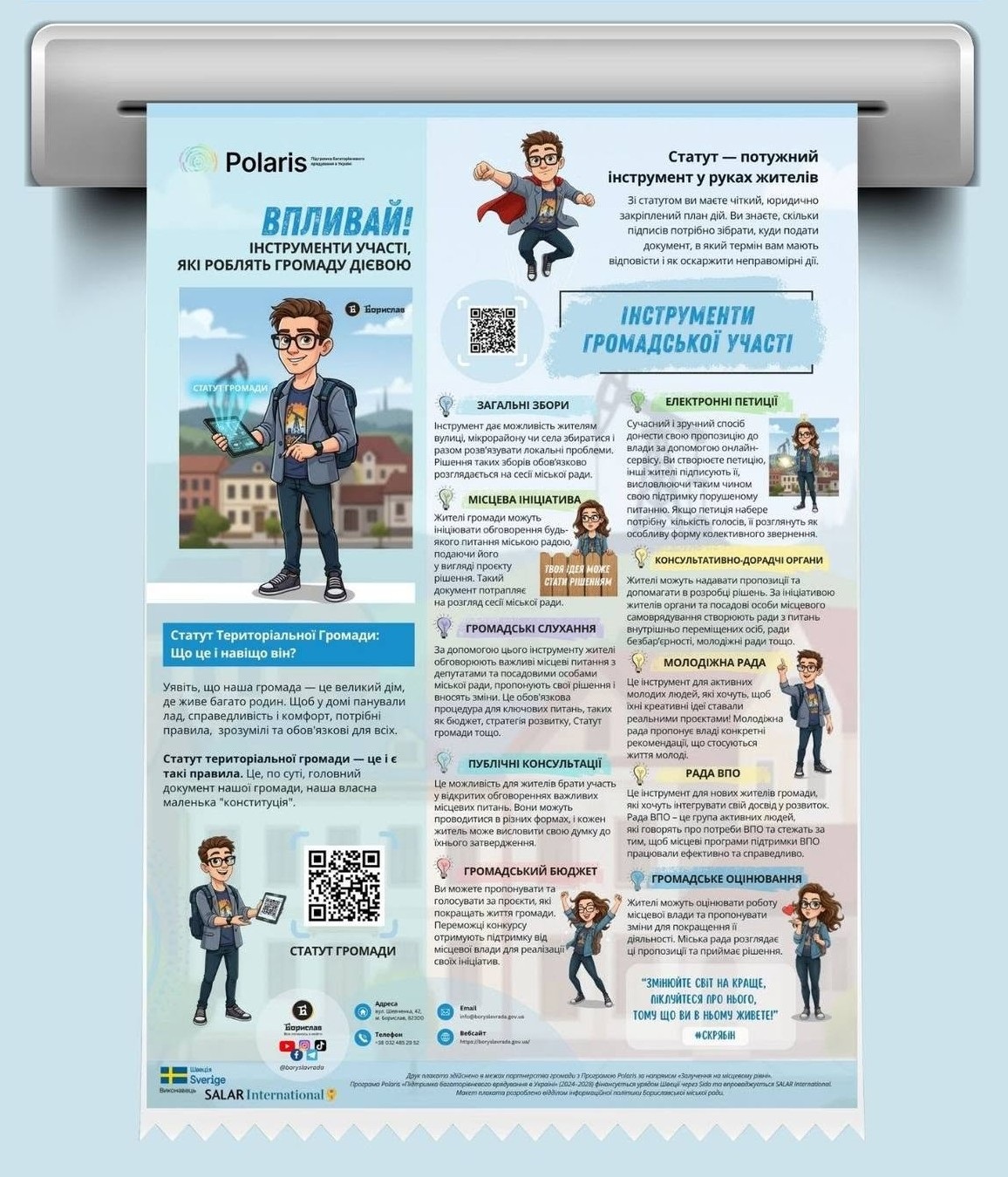
Sharing information materials about the Charter and tools for citizen participation
What Changed for Residents
On 18 December 2025, Boryslav City Council approved the new Hromada Charter, making Boryslav one of the first hromadas in Ukraine to adopt such a document in line with the updated legislation. Most importantly, the changes did not remain on paper but have already produced practical results:
- six new electronic petitions were submitted to the city council;
- residents began using participation mechanisms more actively;
- engagement in local decision-making increased;
- trust in the local authorities was strengthened.

The new Charter significantly expanded opportunities for residents to participate in the life of Boryslav Hromada:
- internally displaced persons were granted full status as residents of the hromada;
- young people can use participation mechanisms from the age of 14;
- procedures for initiating local decisions were simplified, including lower signature requirements;
- the range of participation mechanisms was expanded to include petitions, public hearings, local initiatives, and consultations.
In practice, the Charter has become a kind of “local constitution” that formalises the mechanisms of participation and interaction between the local authorities and residents.
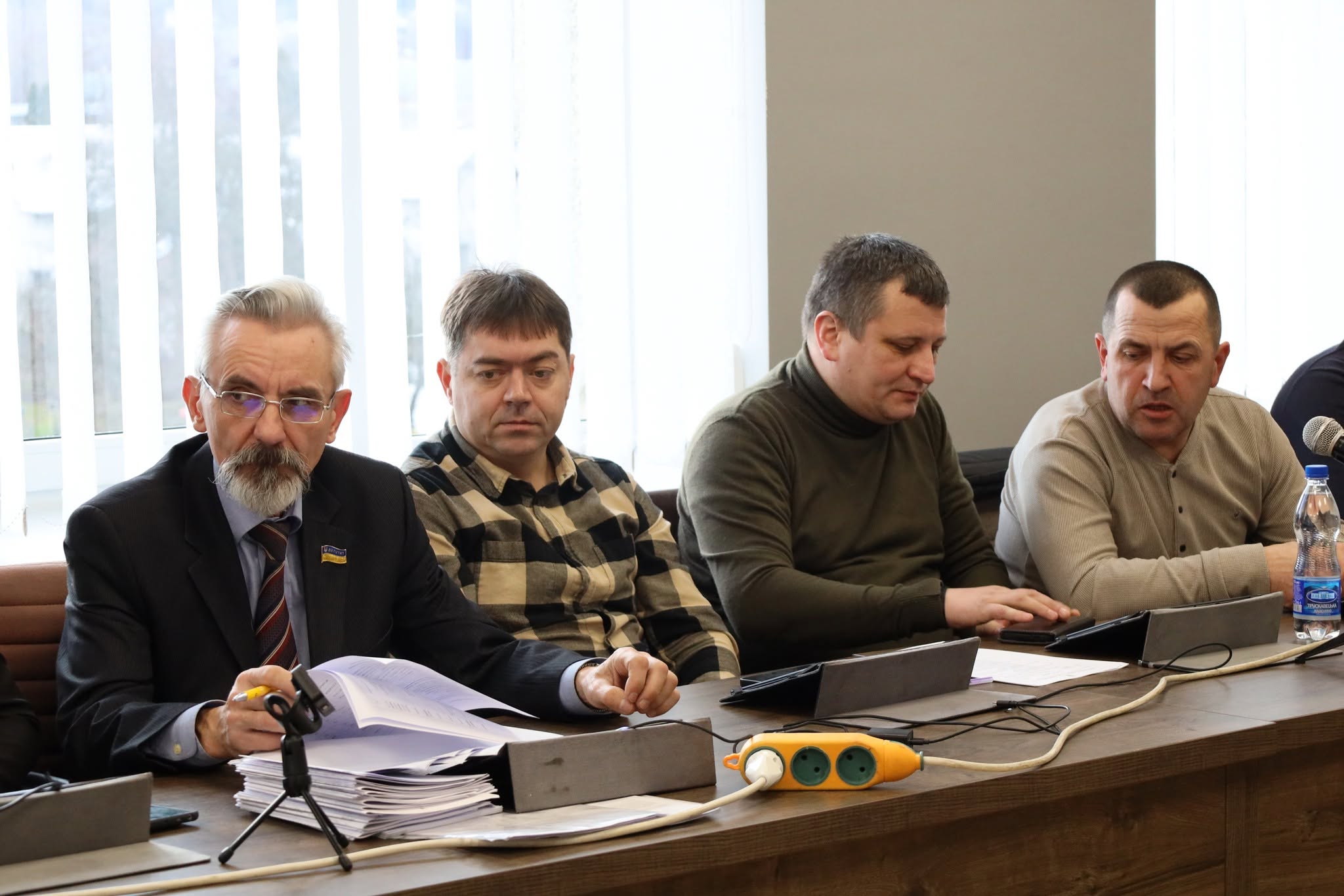
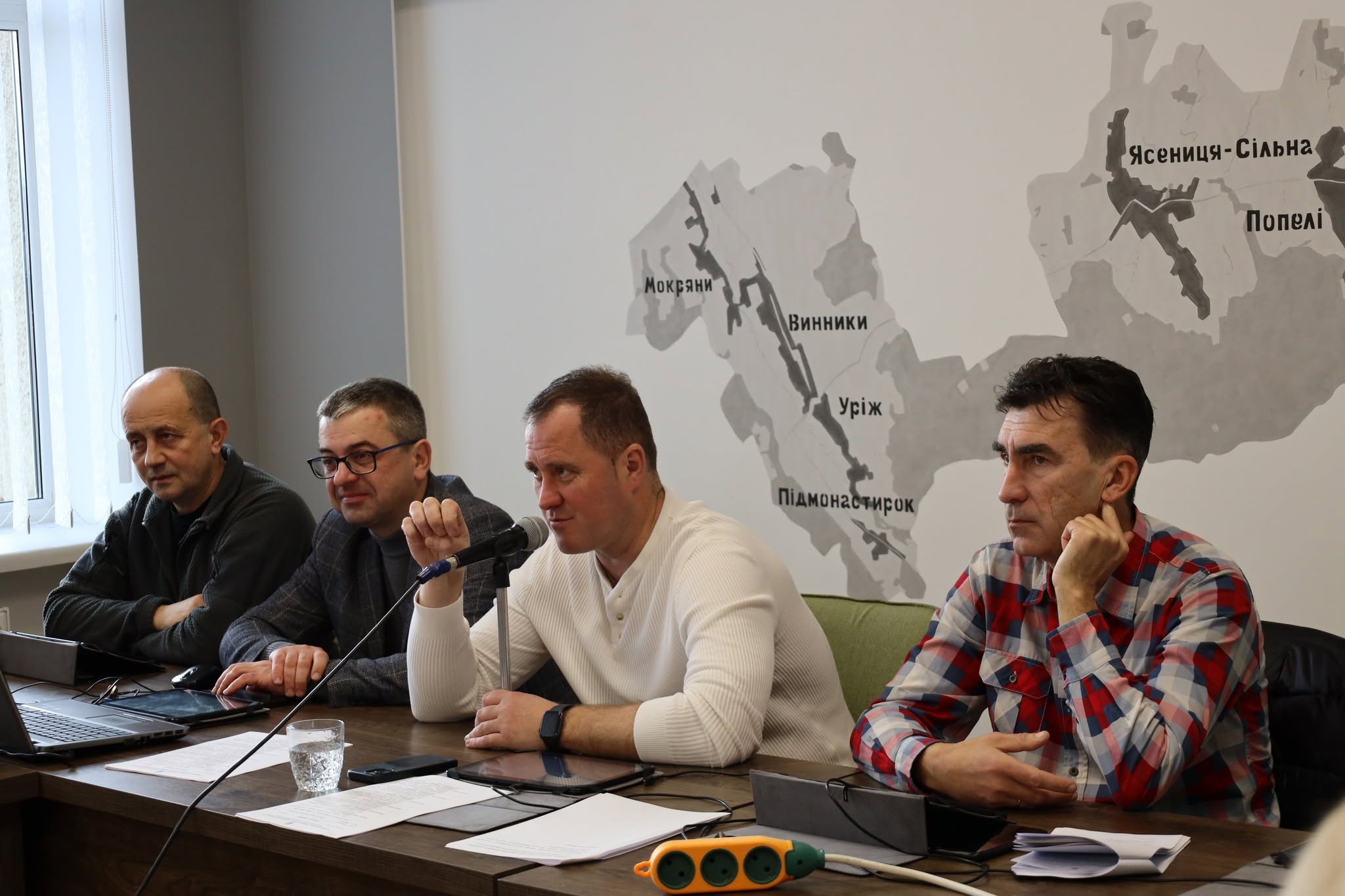
Discussion and approval of the new Hromada Charter at Boryslav City Council
What This Experience Shows and Why It Matters
Boryslav’s experience demonstrates that effective governance does not begin with top-down decisions, but with rules that ensure people’s voices are heard. This is not about isolated activities, but about a systemic approach. A hromada charter can be more than a formality—it can become an effective tool that:
- strengthens democratic processes;
- increases transparency in decision-making;
- creates meaningful opportunities for participation;
- facilitates interaction between local authorities and residents while building trust;
- improves the quality of local decisions.

These are the approaches the Polaris Programme advances together with hromadas—helping not only to establish rules, but also to make them work in practice. Boryslav’s experience demonstrates that when participation mechanisms function effectively, it is not only the decision-making process that changes, but also the quality of interaction between local authorities and residents.
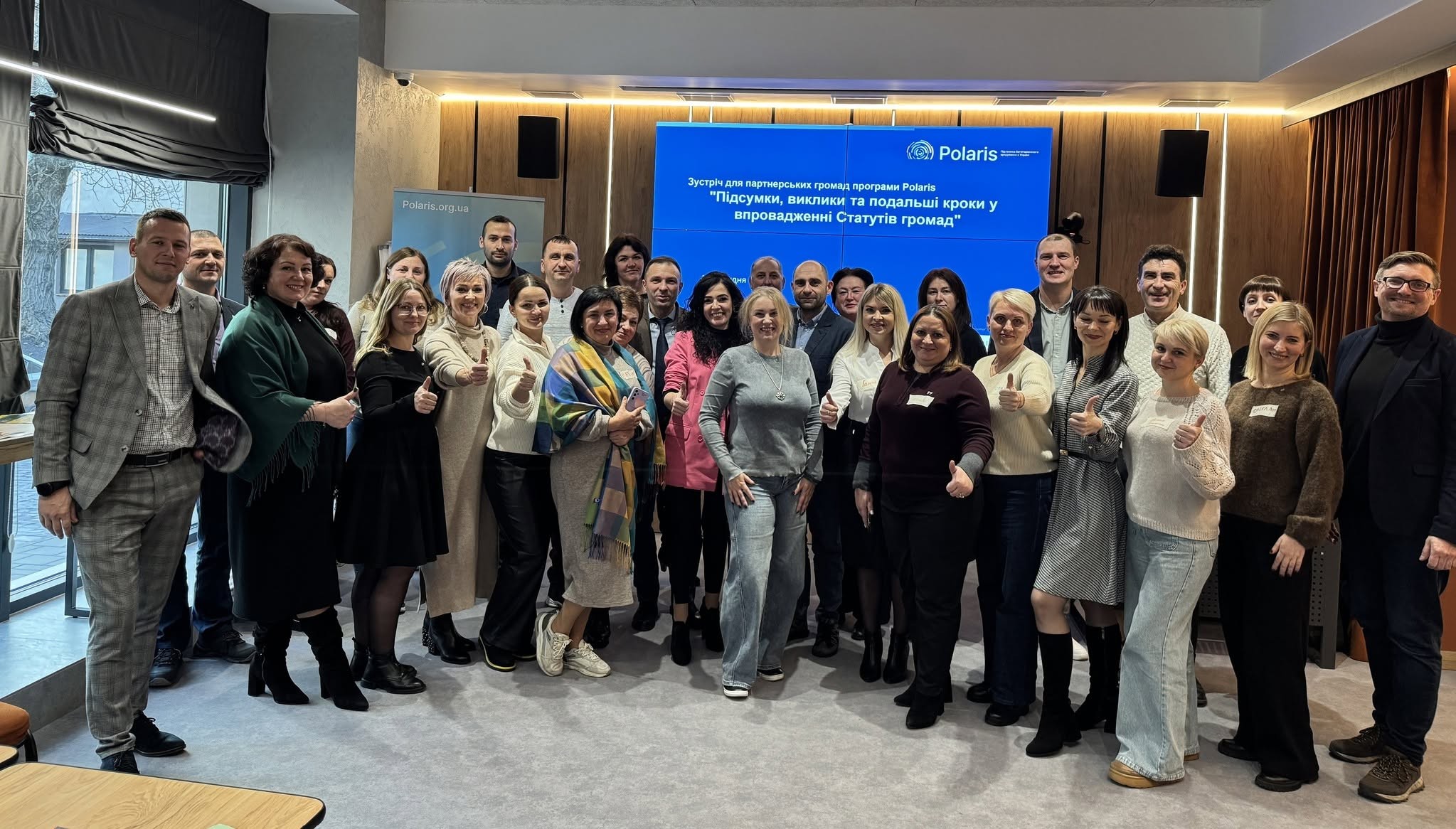
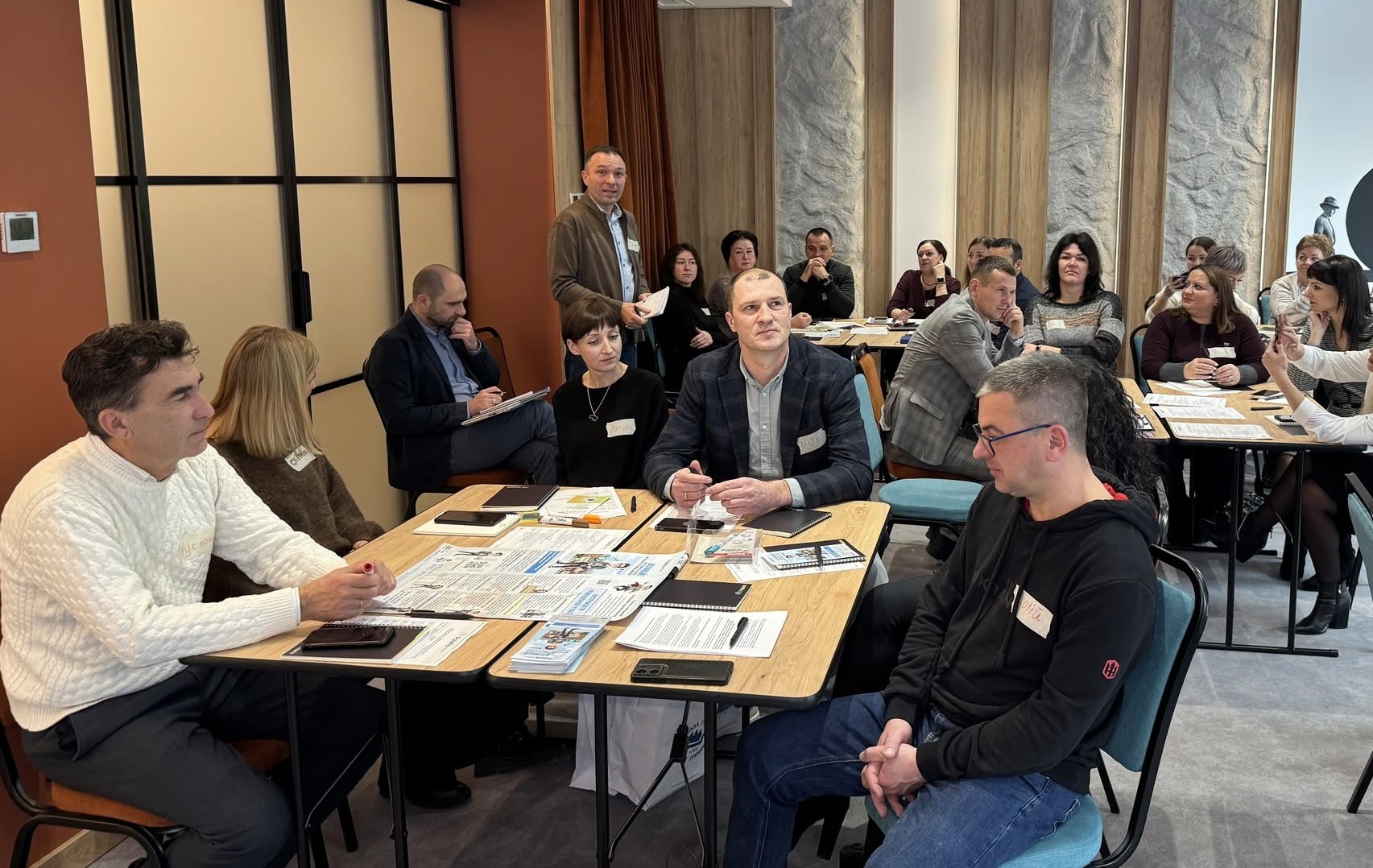
Final Meeting for Polaris Programme Partner Hromadas: “Results, Challenges and Next Steps in Implementing Hromada Charters”

