
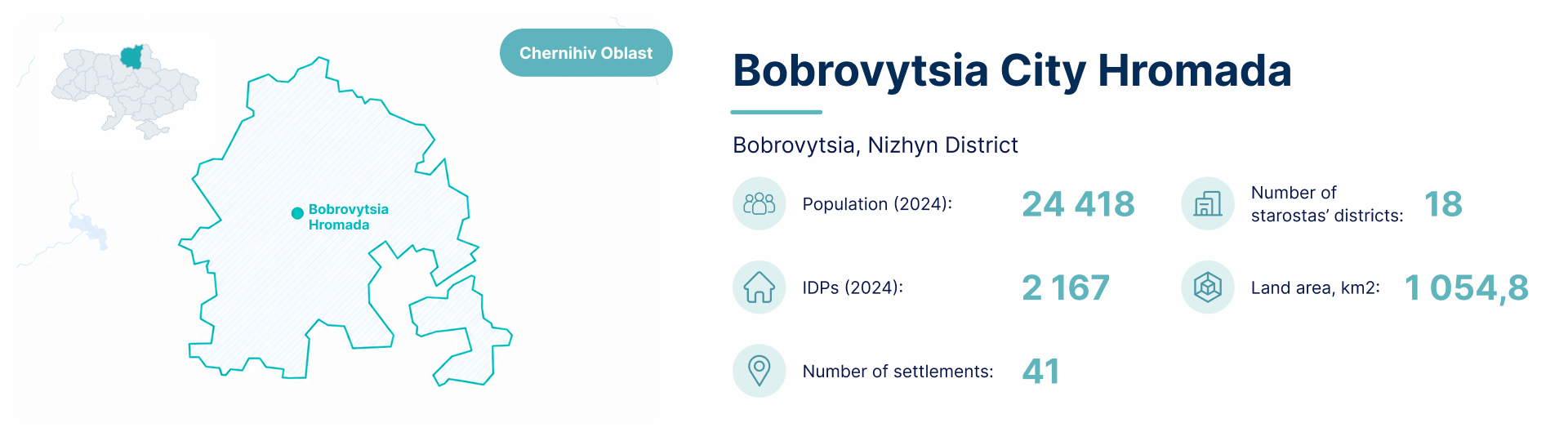
For residents of remote villages, accessing administrative services often requires a lengthy journey to the hromada centre. This is particularly difficult for older people, parents with young children, and persons with disabilities. Bobrovytsia Hromada in Chernihiv Oblast is expanding mobile service provision so that residents can access essential services directly in their own settlements.
Through its partnership with SALAR International, the hromada first established a mobile unit of the Administrative Services Centre and later, with support from the Polaris Programme, strengthened the role of starostas in its work. In this way, a technical solution evolved into a systemic model for bringing services closer to residents.
Mobile Administrative Services Centre: Bringing Services Closer to People
The first stage of the partnership took place through the PROSTO project, implemented by SALAR International with funding from Sida. The hromada received advisory support and a specialised vehicle to establish a mobile unit of the Administrative Services Centre. This enabled administrators to provide outreach services in villages, as well as at the maternity hospital, outpatient clinics, and social institutions.
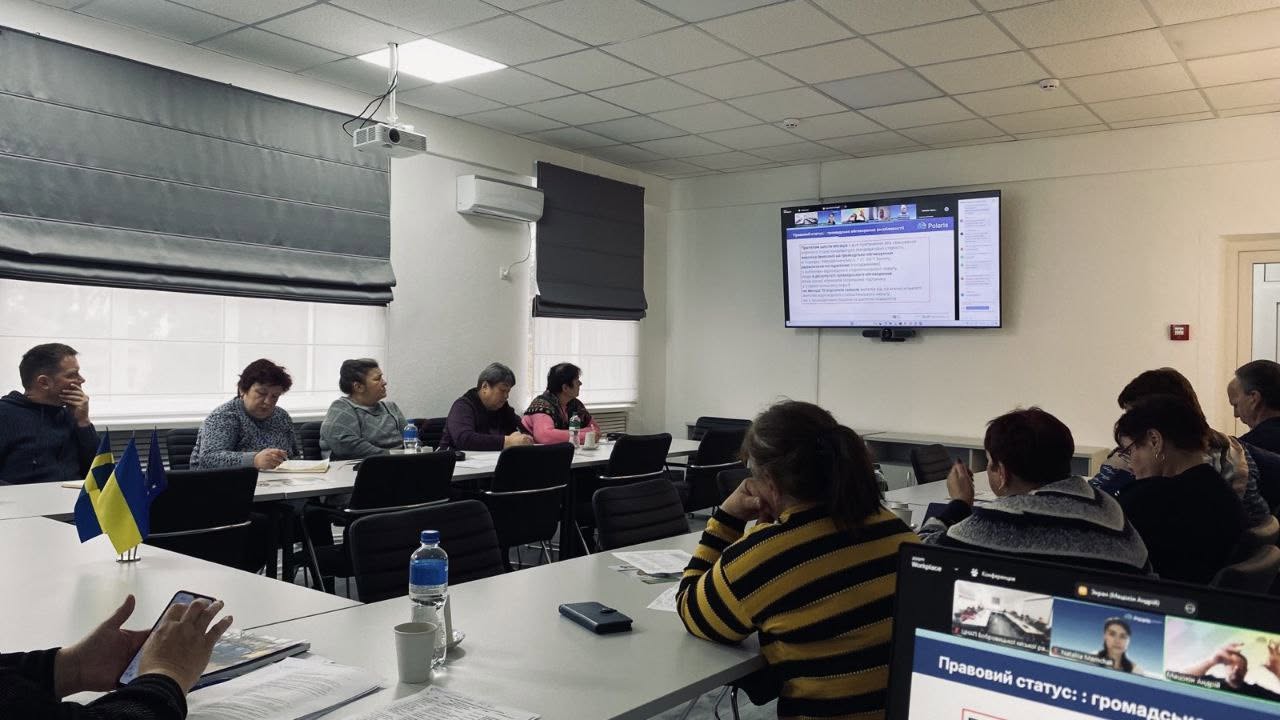
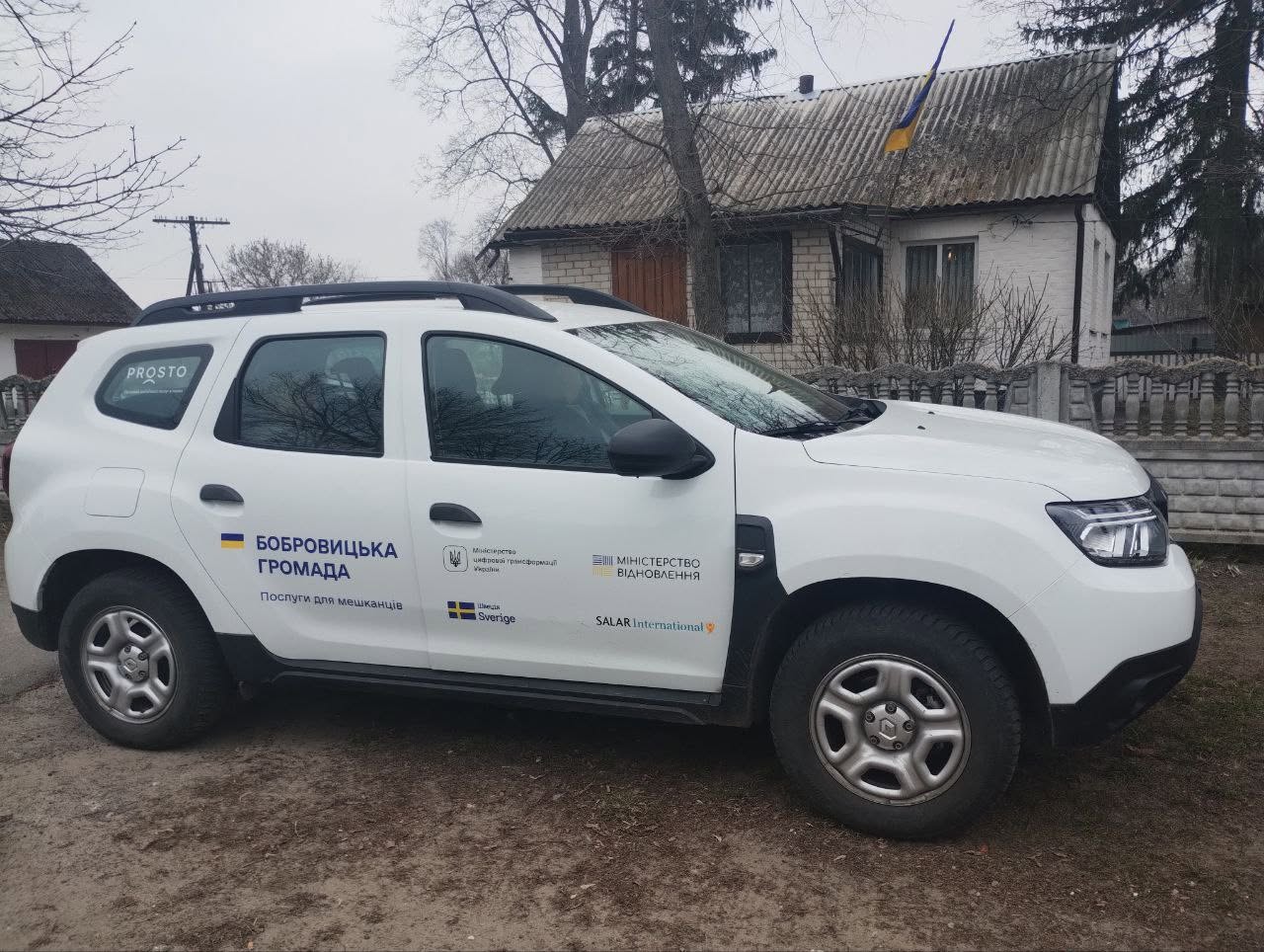
Starostas during an online training session led by Polaris experts Mobile Administrative Service Center of Bobrovytsia Hromada
The most requested services include applications for social benefits, property registration, land-related matters, the issuance of official extracts, and certain notarial services. Families can also access the comprehensive eMaliatko service directly at the maternity hospital.

In the first quarter of 2026 alone, the mobile Administrative Services Centre made 130 outreach visits, during which it accepted 505 applications and provided 188 consultations. At the same time, the hromada recognised that a specialised vehicle and a team of administrators were not enough to ensure the mobile model operated consistently. It also needed people who understood residents’ needs, could inform them about upcoming visits, and help organise service delivery locally. Within the local self-government system, starostas are well placed to fulfil this role.
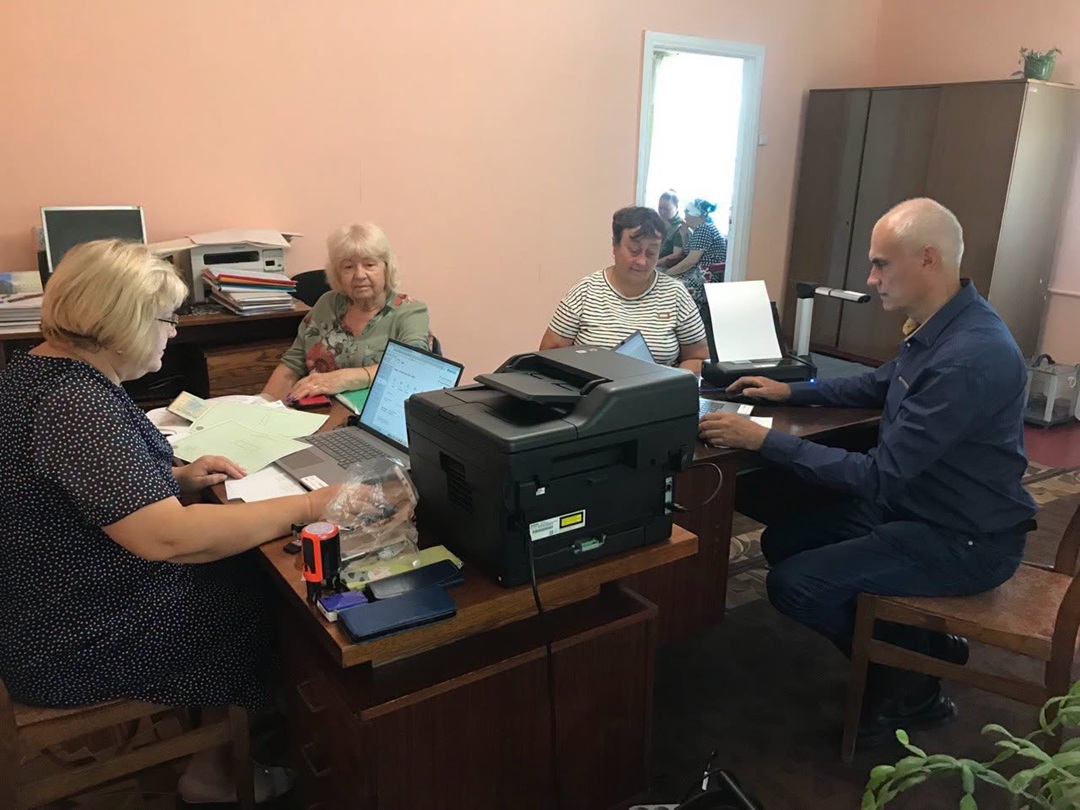
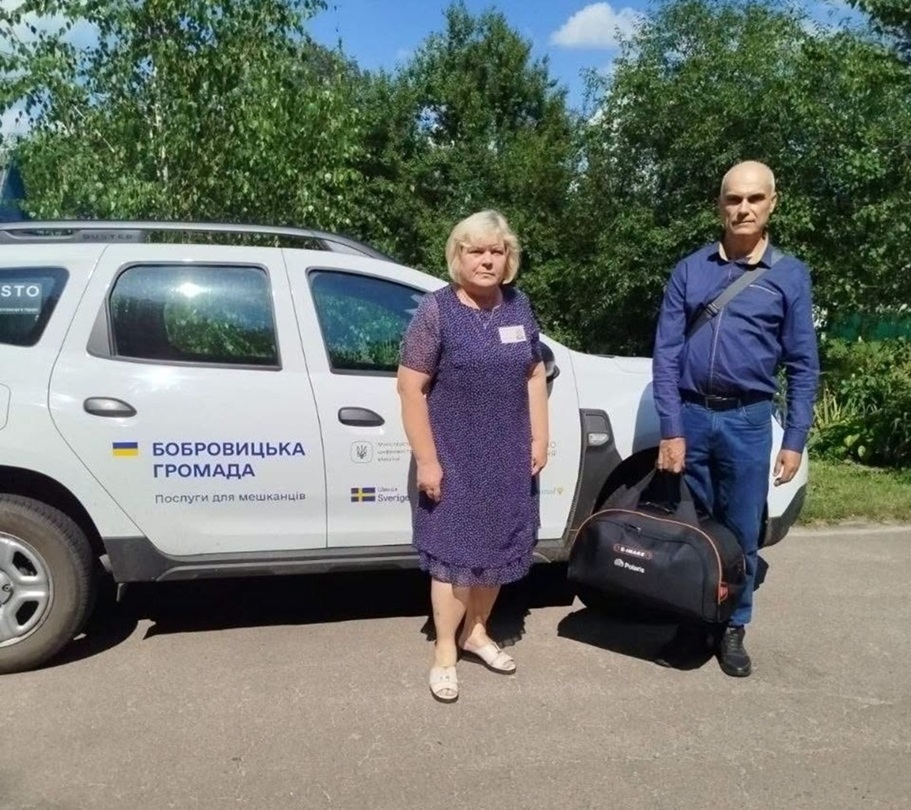
Service Provision in the Shchasnivsky Starosta District
The Role of Starostas in Service Provision
Starostas maintain regular contact with residents in their districts, are often the first to learn about their needs, share information, and coordinate visits by the mobile team. The hromada’s next step was therefore to strengthen their institutional capacity.
Bobrovytsia Hromada successfully passed an open selection process for the Polaris Programme, Supporting Multi-level Governance in Ukraine, and became a partner under the area focused on strengthening the institutional capacity of starostas. Through this cooperation, the hromada received comprehensive support, including an expert assessment of needs, practical training for starostas, consultations, and peer exchange with other hromadas. During the training, participants worked with real-life situations, management tools, and approaches to communication with residents. Expert field visits also made it possible to observe how work was organised in the districts and to discuss existing challenges together.

From Individual Outreach Visits to a Systemic Model
Combining the mobile Administrative Services Centre with stronger institutional capacity among starostas has helped the hromada establish a systemic approach to service provision.
Starostas identify residents’ needs, keep them informed, and organise local service appointments. Administrative Services Centre staff then provide services directly in the settlements. The hromada analyses requests, plans routes, and develops services in response to people’s actual needs. This model is particularly important for residents who find it difficult to travel independently to the administrative centre. At the same time, it helps the local authorities better understand the situation in different settlements and respond more quickly to residents’ requests.
Bobrovytsia Hromada’s experience shows that bringing services closer to people requires more than equipment. It also depends on strong local institutions, effective coordination, and trust. The mobile Administrative Services Centre made it possible to deliver services to remote villages, while cooperation with the Polaris Programme strengthened starostas as key participants in this model.
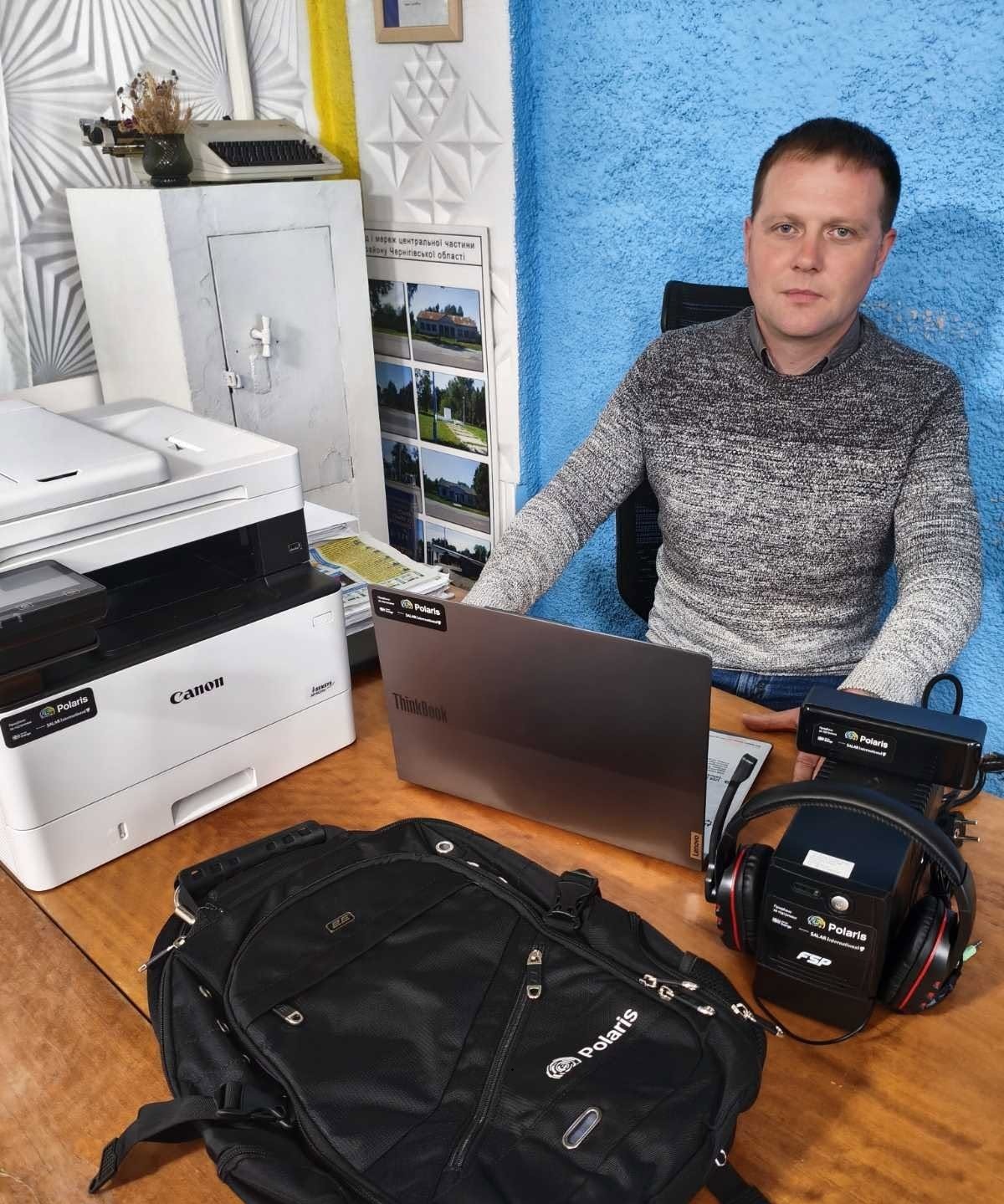
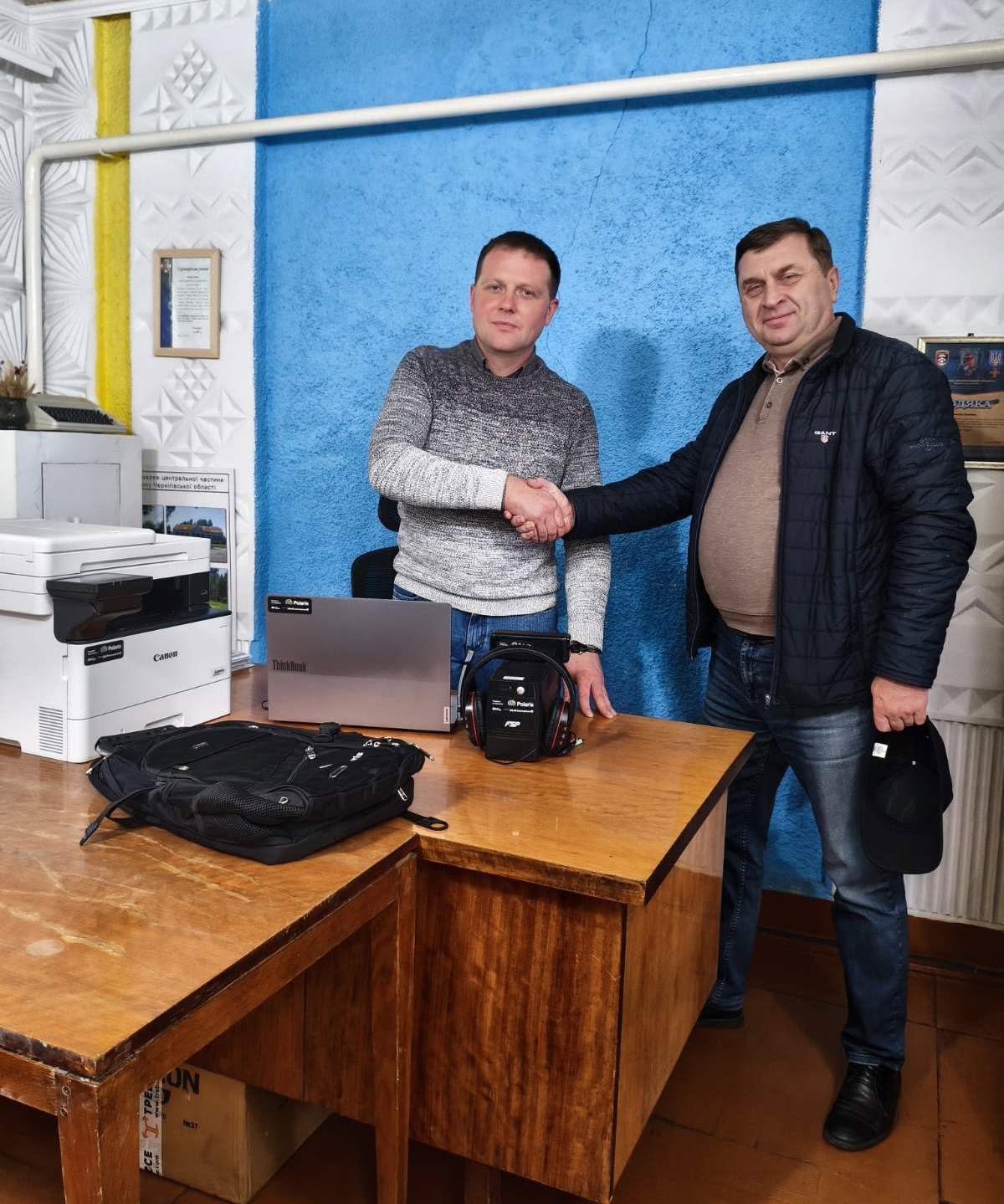
The transfer of office equipment to the Kobyzhcha Starosta District as part of a partnership with the Polaris Programme
The hromada continues to expand mobile and digital services in its starosta districts and introduce new formats of communication with residents, making essential services even more accessible and closer to the people who need them.

