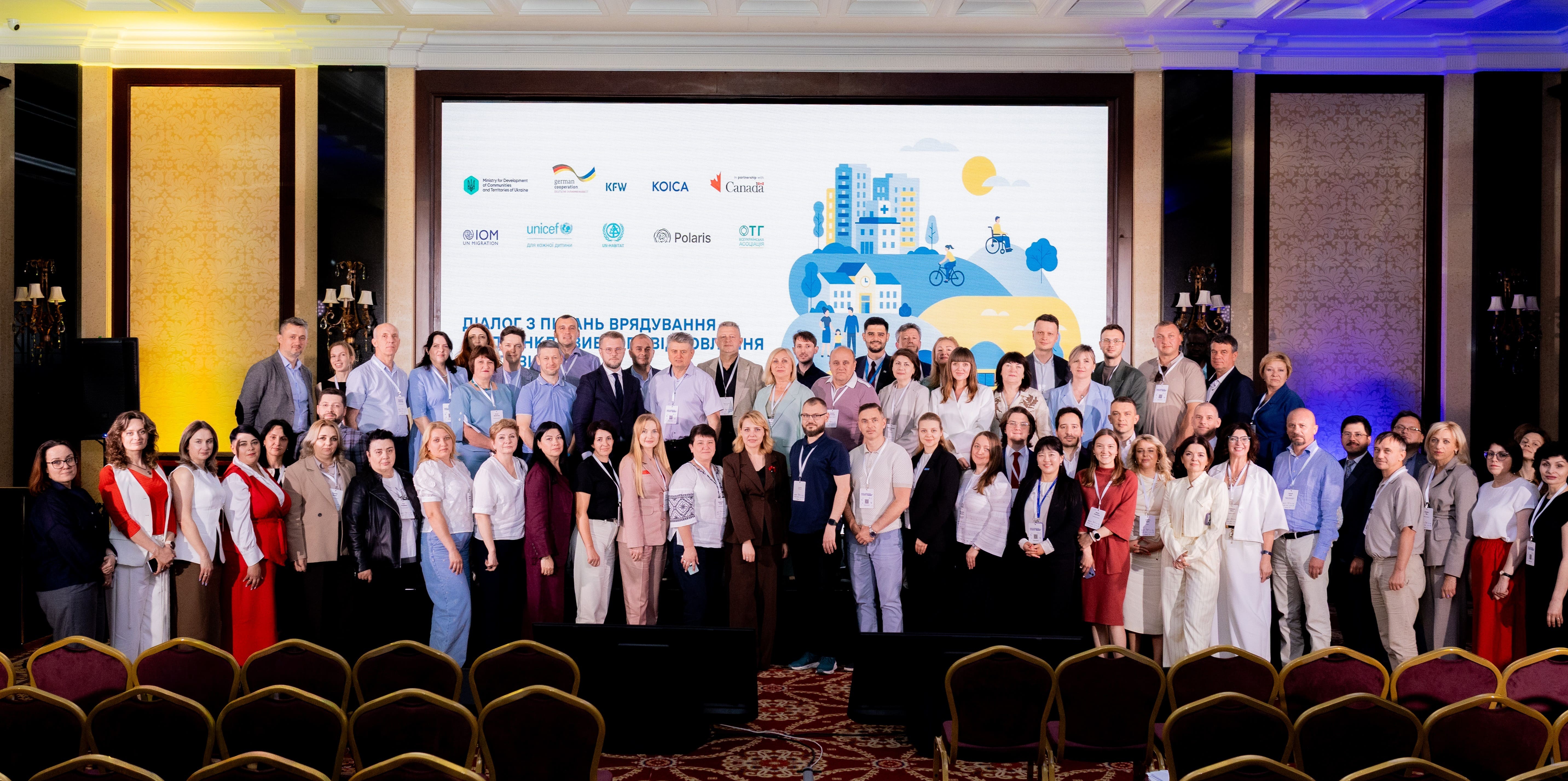
Just before the Ukraine Recovery Conference (URC 2026), a national ‘Governance Dialogue on Inclusive Recovery and Development’ was held in Kyiv. The agenda included four strategic areas: attracting investment in human capital, strengthening the capacity of local systems, the digitalisation of processes, and institutional cooperation between governments at different levels.
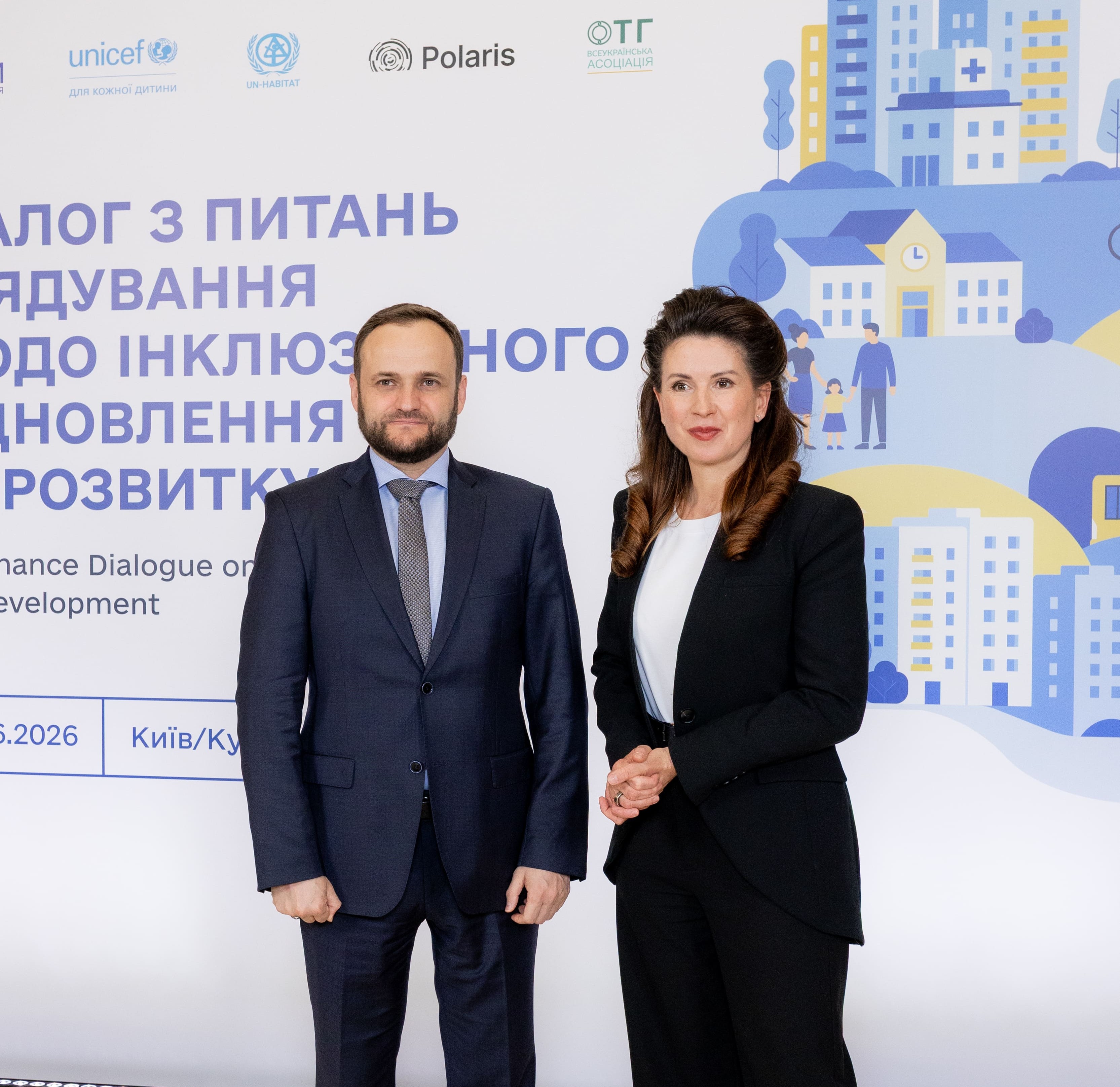
Oleksii Kuleba, Deputy Prime Minister for Restoration of Ukraine - Minister for Development of Communities and Territories of Ukraine, and Kata Tyutto, President of the European Committee of the Regions, focused on the people-centred aspects of the reconstruction. In particular, Oleksii Kuleba noted that recovery must go far beyond the reconstruction of infrastructure. He emphasised the need to create a holistic living environment for people, where housing, transport, social services and public spaces develop as a single integrated system.
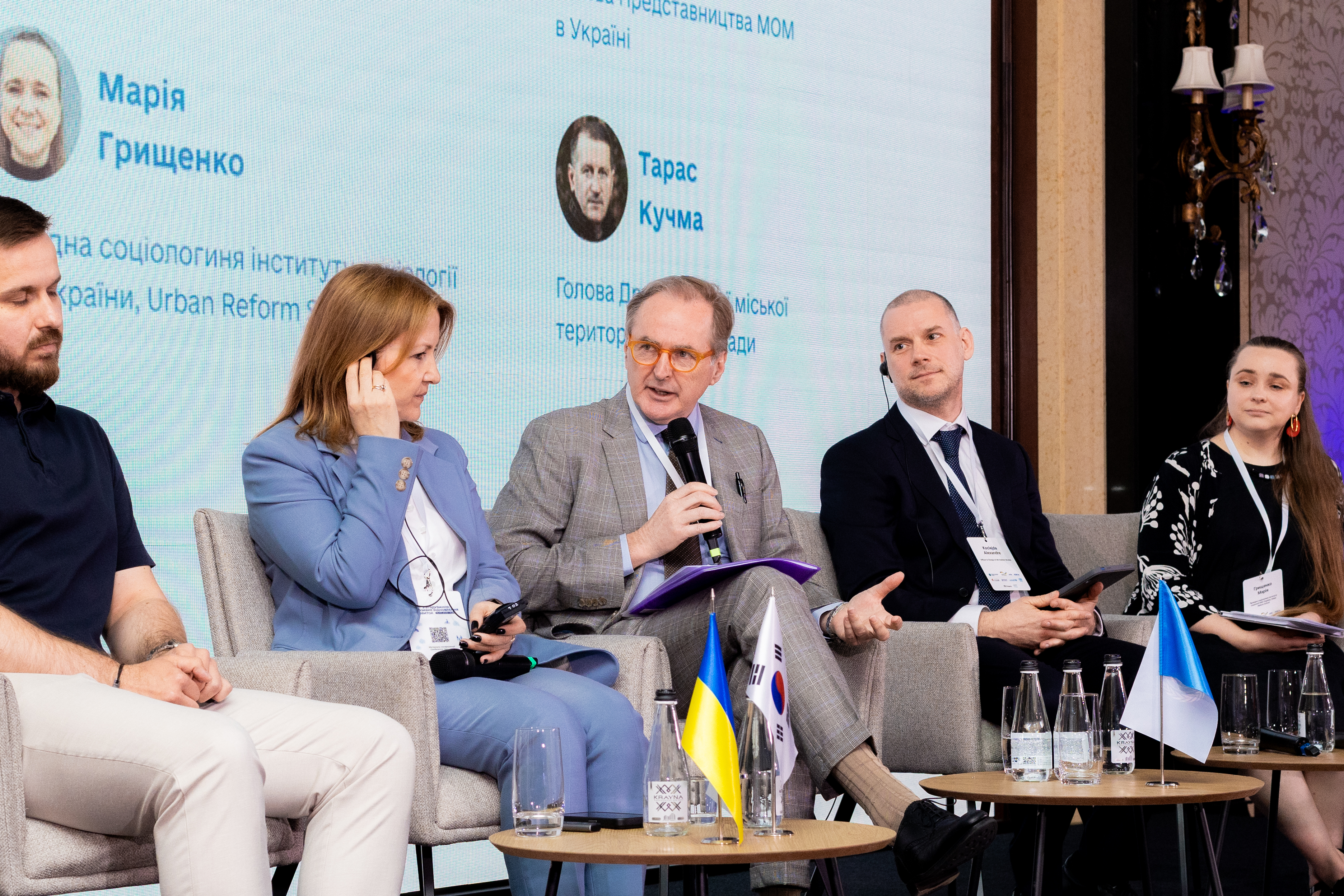
The practical aspects of implementing inclusive multi-level governance were discussed at the final panel session, coordinated and facilitated by the Polaris Programme. The main topics of the dialogue were the integration of local strategies, spatial planning and budgetary decisions. Representatives of central government bodies, regional and local administrations, associations, as well as experts from international programmes, discussed how the increased responsibilities of local authorities in the context of decentralisation are accelerating Ukraine’s reconstruction.
The participants also discussed tools for implementing an evidence-based approach in a context of limited resources. According to Anatolii Melnychuk, an expert of the Polaris Programme, this approach determines the quality of management decisions at all levels of governance: “Data should not remain mere figures in tables. It must form the basis for planning, regional development and decision-making.”
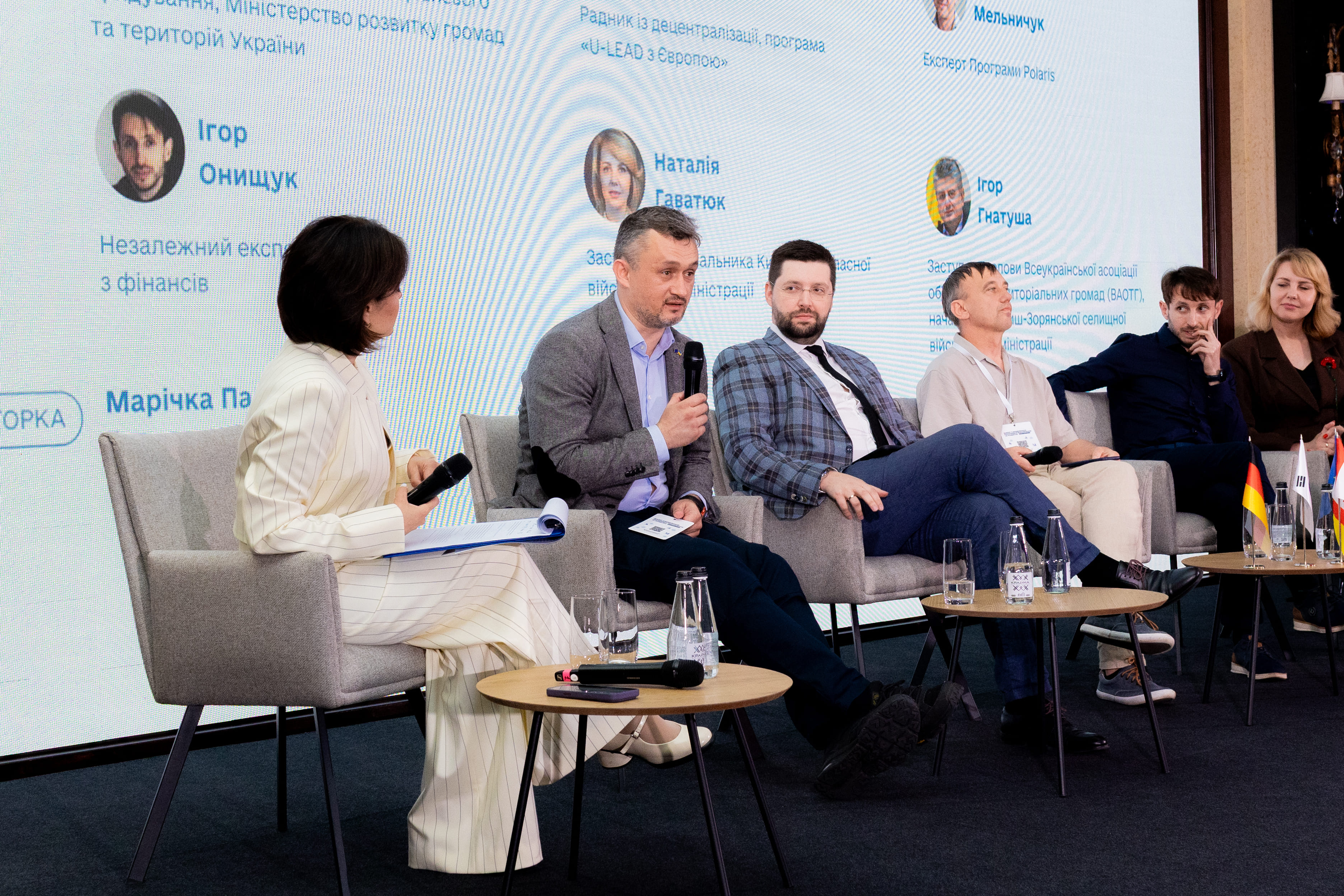
A particular focus of the panel was on inclusion and ensuring the broad participation of citizens — in particular veterans and internally displaced persons — in managing hromadas.
As noted by Mykola Rubchak, Director of the Department of Multi-Level Governance at the Ministry for Development of Communities and Territories of Ukraine, it is the actual level of public engagement that should determine where decisions are taken. The development of a modern system for the distribution of powers should be based on the principle of subsidiarity: ‘Criteria must be defined. The greater the level of public participation in the exercise of a particular competence, the more justification there is for keeping it at the grassroots level. If the matter is more complex, it is referred to a higher level. And so on for every issue.’
The conclusions and recommendations developed during the Dialogue will contribute to the ongoing discussion on Ukraine’s recovery ahead of URC 2026 and will help to develop approaches based on the principles of multi-level governance, partnership and local-level recovery.
The event was organised by the Ministry for Development of Communities and Territories of Ukraine, German Cooperation, KfW and KOICA, in partnership with Canada, as well as the International Organisation for Migration (IOM), the United Nations Children’s Fund (UNICEF), UN-Habitat, the Polaris Programme and the All-Ukrainian Association of Territorial Communities.