
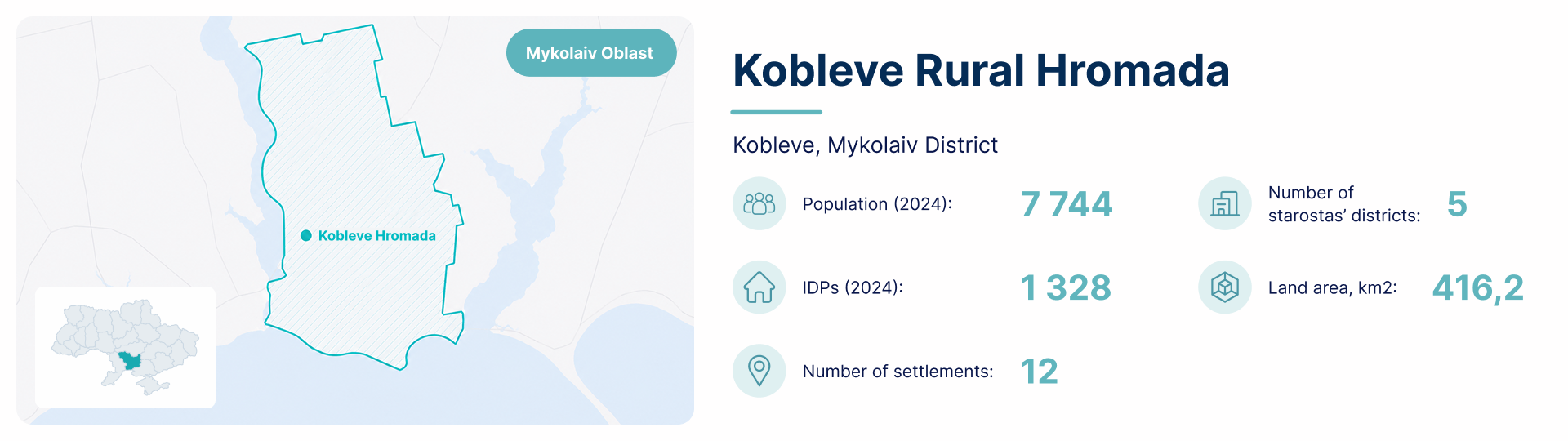
Education governance at the local level always involves difficult choices. Should a school be closed or kept open? How can the quality of education be maintained when student numbers are low? How can the interests of teachers and parents be balanced with budget constraints?
Kobleve Hromada in Mykolaiv Oblast has navigated this difficult process systematically, relying on data and taking residents’ interests into account. This is the story of how, with support from the Polaris Programme, the hromada gained the tools needed to make evidence-based decisions in education—and began to see tangible changes within just one year.
Data and Strategy: A New Direction for Education Development in the Hromada
Like many Ukrainian hromadas, Kobleve faced common challenges in education: declining student numbers, uneven enrolment across educational institutions, the need to modernise infrastructure and optimise spending without compromising quality, and the absence of a systematic approach to planning the school network.
The hromada joined the Polaris Programme to address these challenges. Expert support began in spring 2025 and included the following key steps:
- monitoring the performance of educational institutions;
- analysing expenditure and the efficiency of resource use in the education sector;
- conducting a simulation exercise on optimising the school network;
- working jointly with representatives of local authorities and educational institutions.
This approach enabled the hromada to gain a comprehensive understanding of the situation, model different scenarios for the development of the school network, and assess their implications for both the budget and the quality of education.

Based on the findings, an analytical report with specific recommendations was prepared. It provided the basis for subsequent decisions on education governance and budgeting. Over the following year, the hromada moved forward with concrete measures that had previously been difficult to implement or postponed. In particular:
- Anatoliivskyi Lyceum was closed because there were too few students to form full classes;
- teachers were supported in finding new employment;
- transportation was arranged for students to attend other educational institutions;
- discussions began on the further reorganisation of the school network, including Tuzlivskyi and Ukrainskyi lyceums.
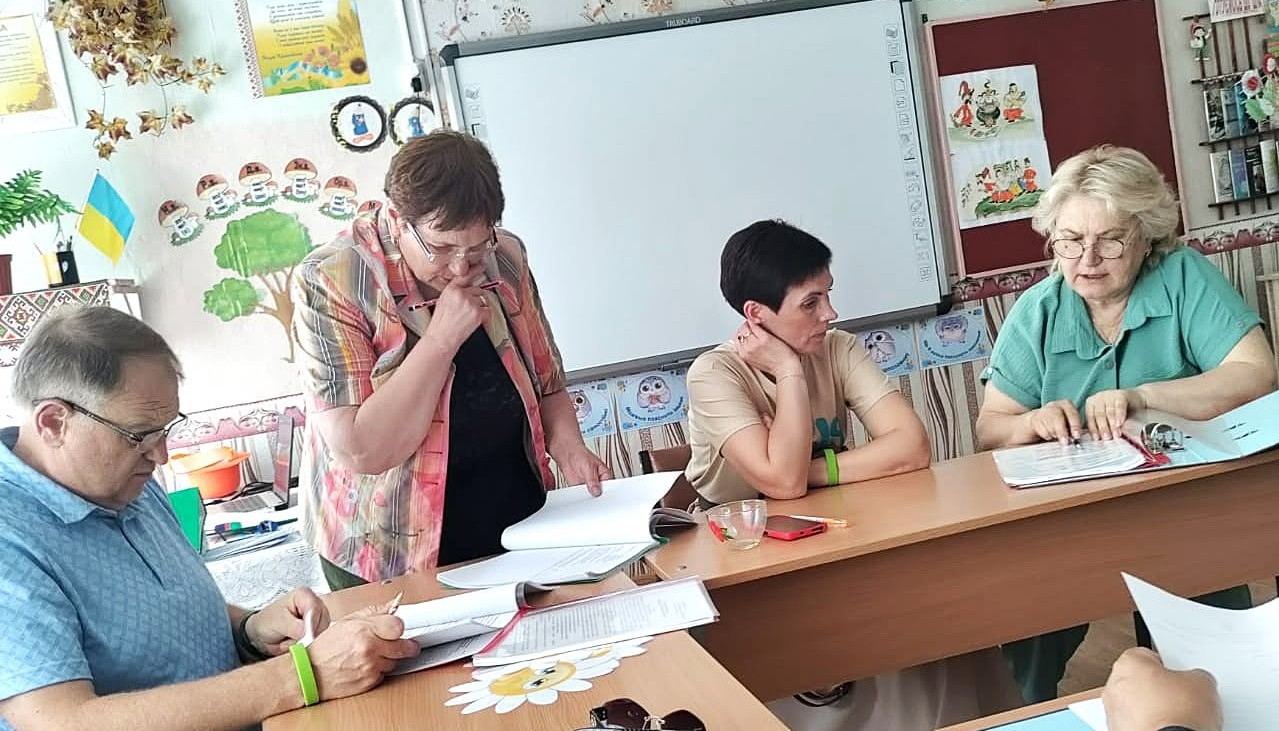
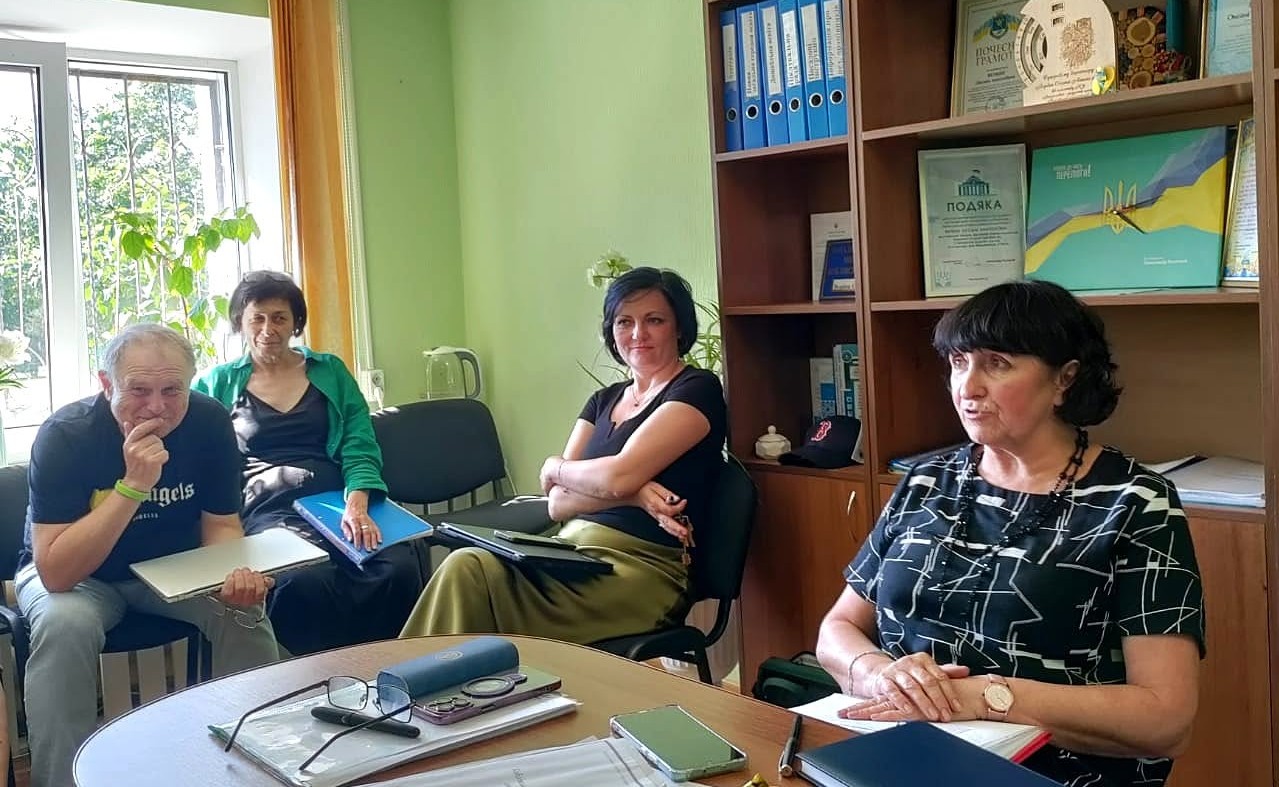
Meetings between experts and the hromada’s education management team
Alongside these management decisions, the hromada also invested in improving the quality of the learning environment:
- renovation works were carried out at Kobleve, Novofedorivka, and Ukrainskyi lyceums;
- classrooms, corridors, and canteens were upgraded;
- educational equipment was improved;
- at Ukrainskyi Lyceum, school meals were organised in line with modern standards;
- document management procedures were streamlined across educational institutions;
- local education programmes were developed and approved;
- through its partnership with the Polaris Programme, the hromada received a comprehensive set of equipment for a science classroom to support the teaching of biology, chemistry, and physics.
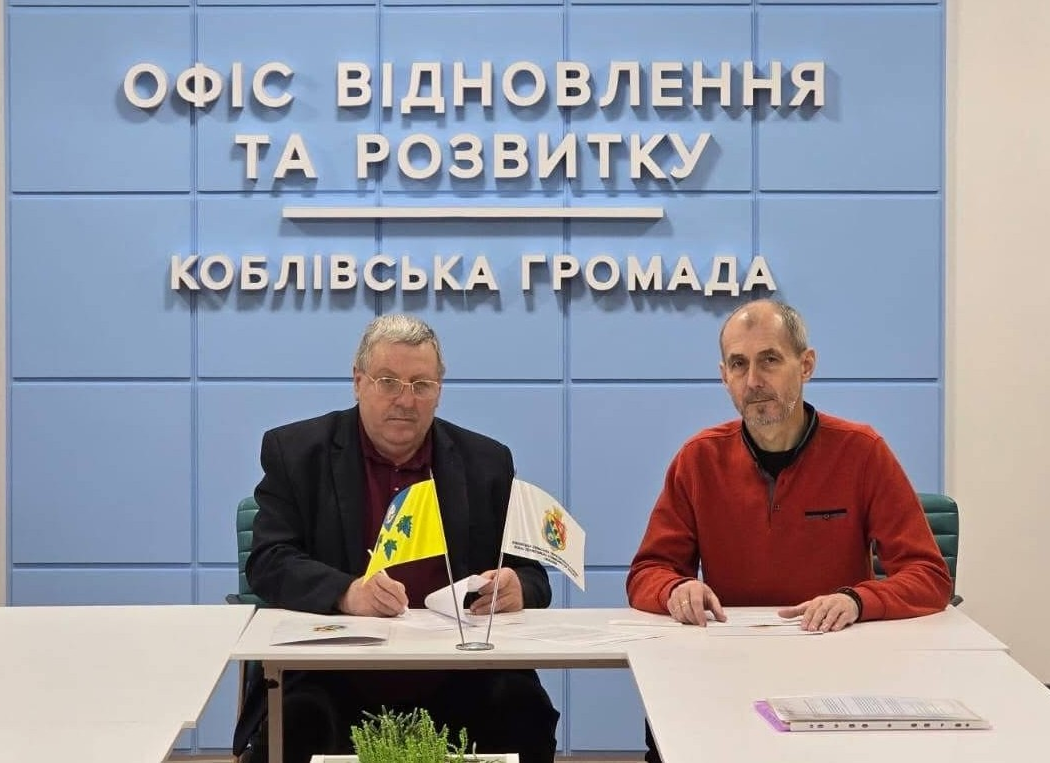 Signing of the Memorandum of Cooperation
 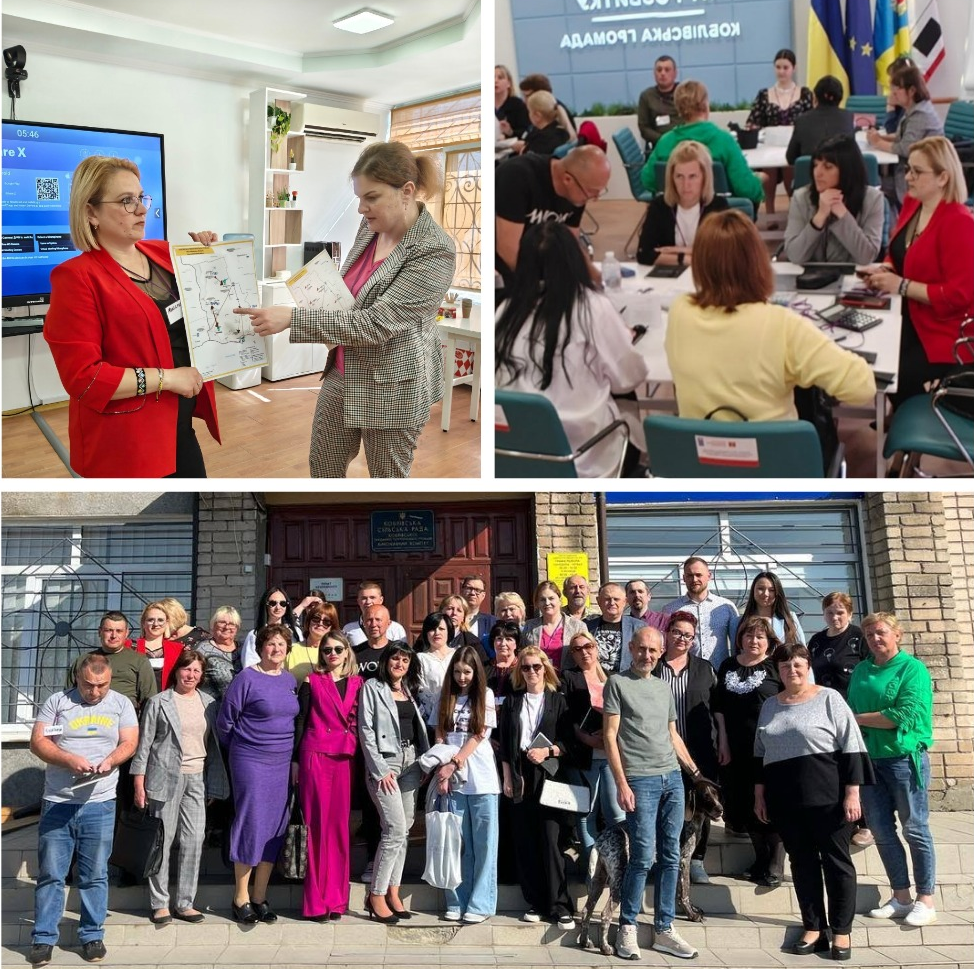 Simulation Exercise: “Optimising Kobleve Hromada’s School Network”
Effective Decisions and Improved Learning: Early Results
Within just one year of starting its partnership with the Programme, the hromada achieved tangible results:
- a series of management decisions in education were adopted and implemented;
- the school network was optimised;
- learning conditions across educational institutions were improved;
- the efficiency of budget spending increased;
- students became more engaged in learning, while teachers’ motivation also grew.

The experience of Kobleve Hromada demonstrates that combining analysis, planning, and practical support can produce results even in complex areas. This is not only about individual decisions, but about a fundamental change in approach:
- from intuition-based decisions to evidence-based decision-making;
- from reactive management to medium-term planning;
- from isolated interventions to the systemic transformation of the school network.
This is the model of systematic work that the Polaris Programme applies in its cooperation with hromadas—helping them not only respond to challenges, but also develop long-term solutions for education.

