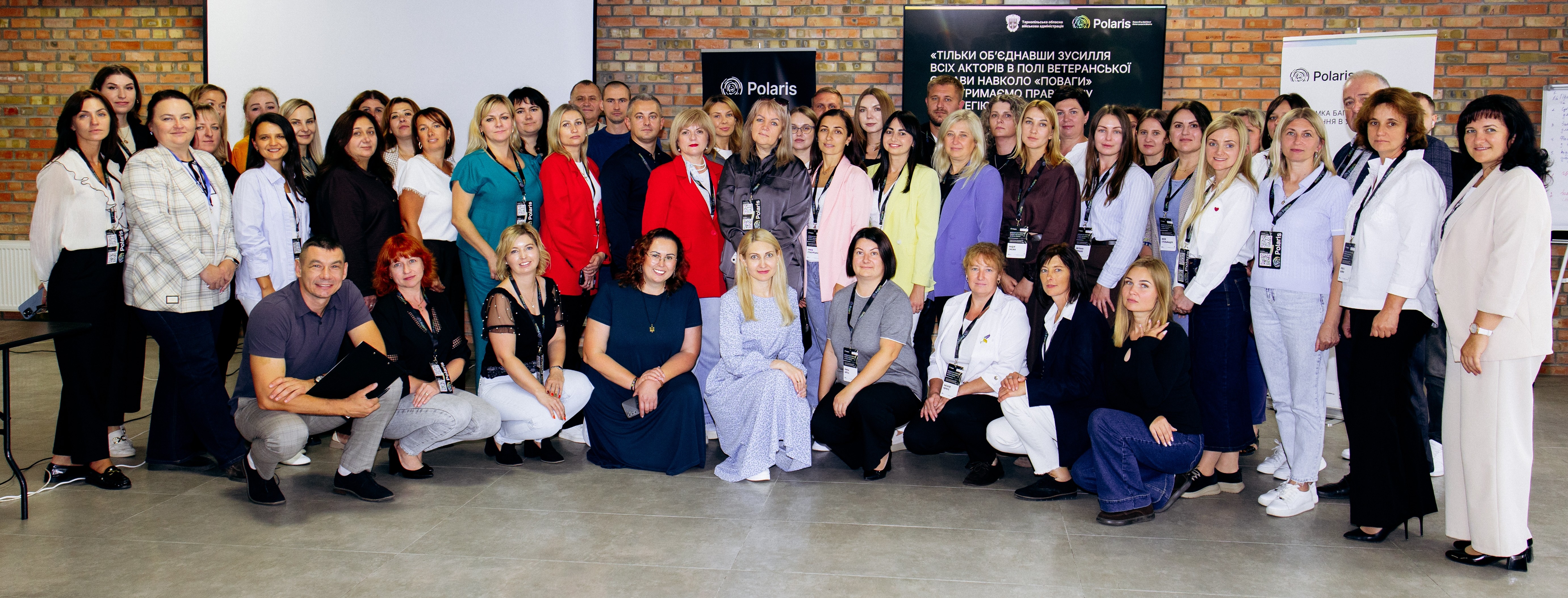
On 11 September in Ternopil, the Polaris Programme together with the Ternopil Regional Military Administration held the regional event “Veteran Policy in ASCs: From Challenges to Effective Solutions.” The event brought together representatives of Administrative Service Centres (ASCs), veteran and demobilised person support specialists, and other professionals involved in implementing veteran policy in hromadas across Ternopil Oblast.
The meeting focused on the practical challenges hromadas face in their day-to-day work: how to divide responsibilities between ASCs and veteran support specialists, how to coordinate with other services, make support more accessible, and ensure that people are not left to navigate the system on their own when a single request requires the involvement of several professionals.
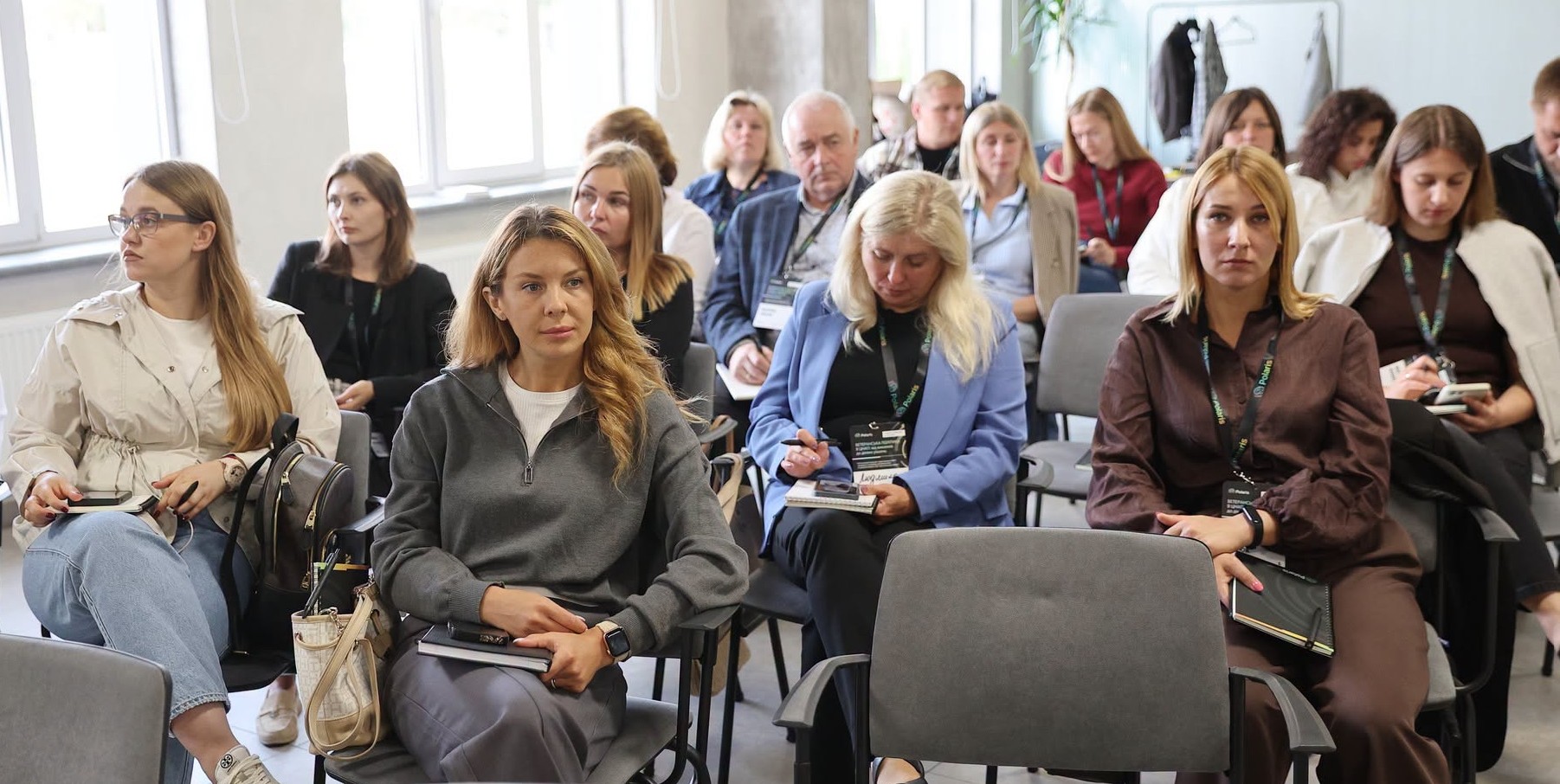
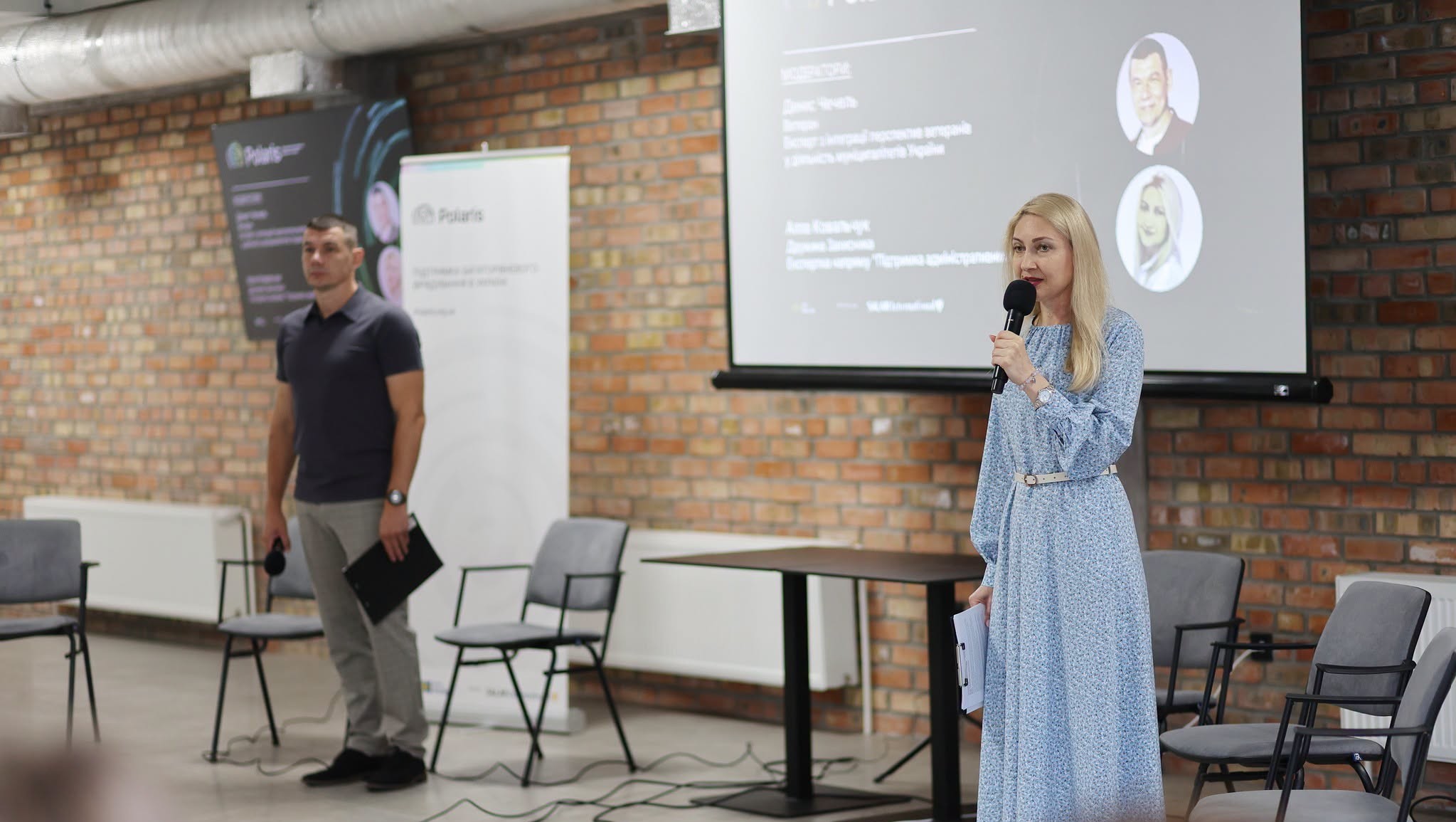
Opening the event, Susanna Dellans, Team Leader of the Polaris Programme and SALAR International’s Representative in Ukraine, highlighted the importance of this practical format, which enables hromadas to exchange experience, jointly assess existing challenges, and identify solutions for developing veteran services at the local level.
Nataliia Masnyk, Deputy Head of the Ternopil Regional Military Administration, also welcomed the participants: “As veterans return to civilian life, they need fast, professional and clear solutions. That is why we must continuously improve what has already been developed, listen to one another, and look for new approaches.”
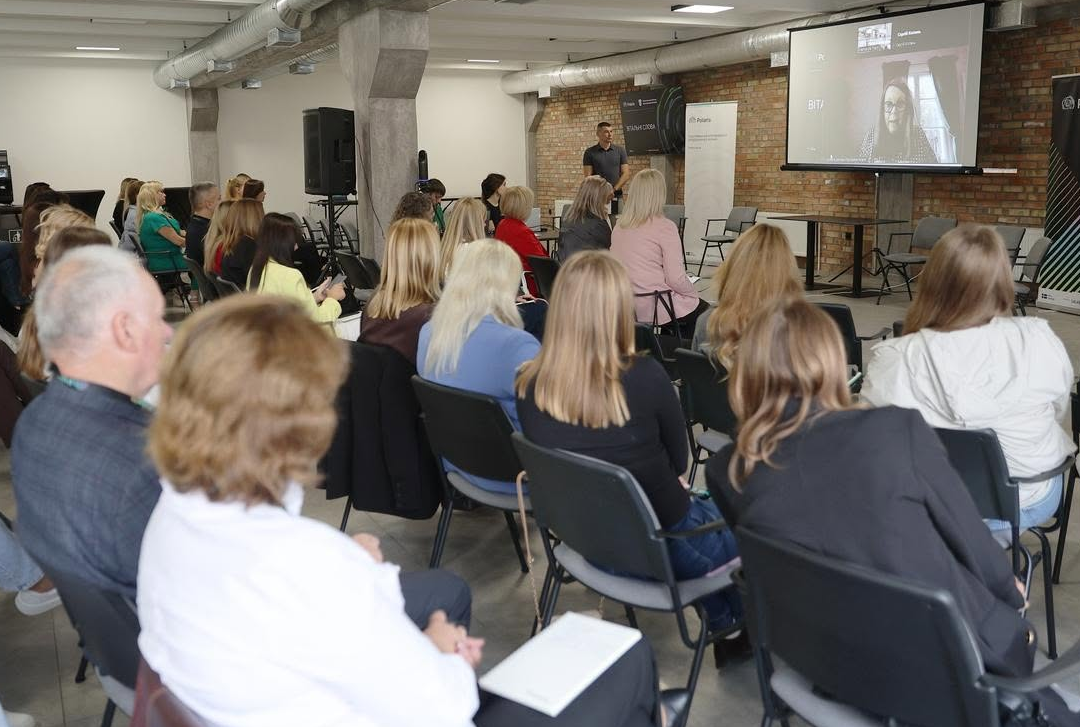
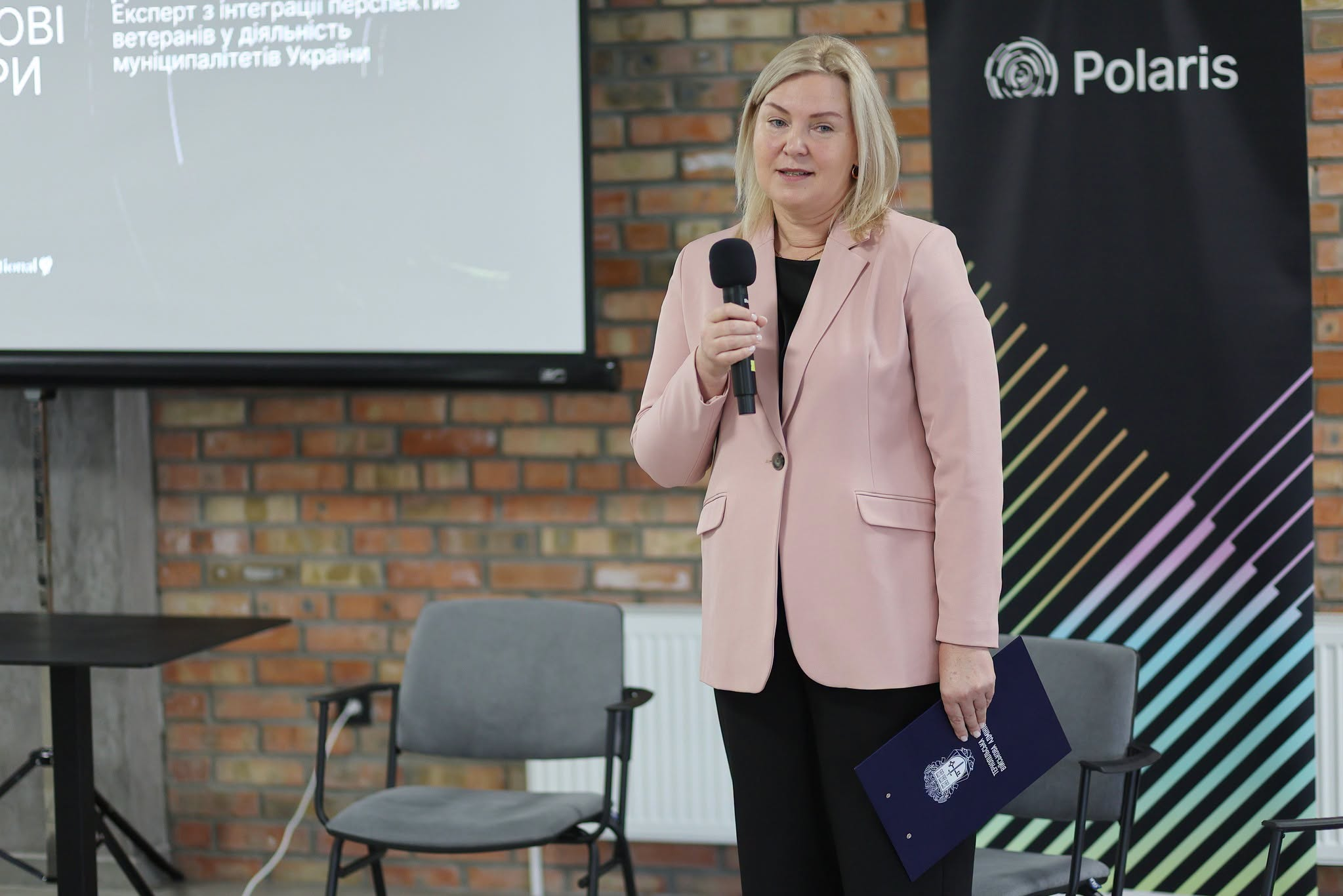
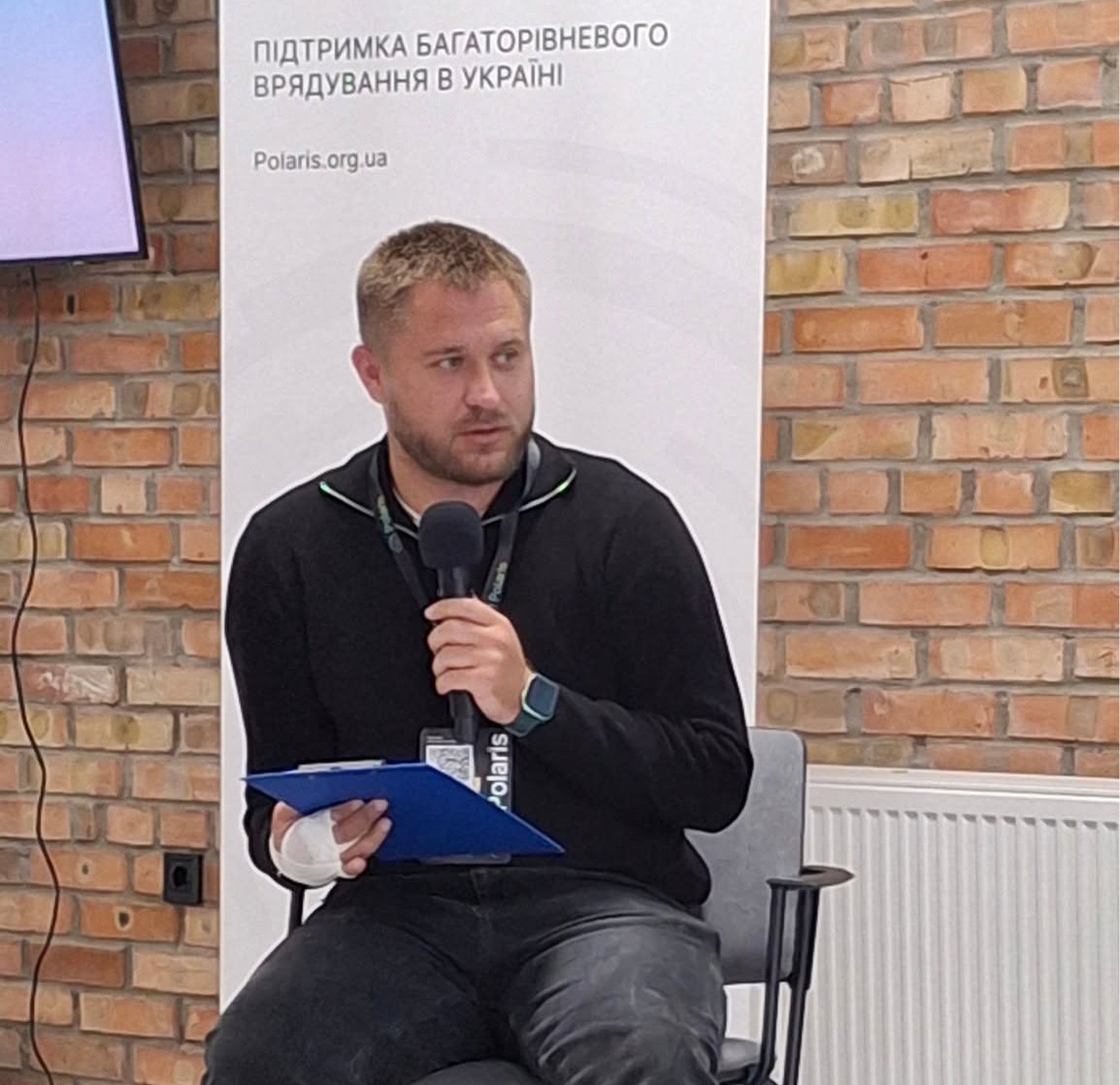
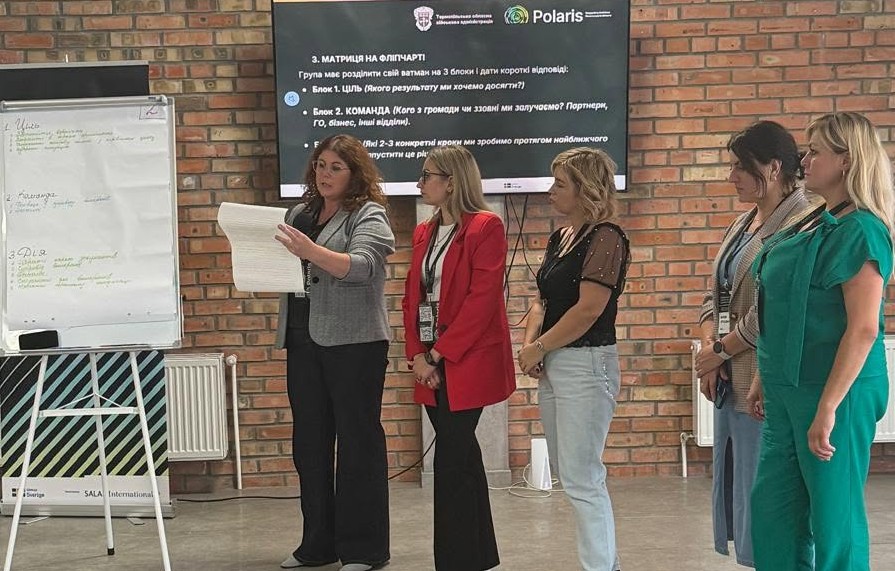
The work began with an interactive survey on the current state of veteran service provision, the key challenges, and the needs of hromadas. Alla Kovalchuk, Polaris Expert on Administrative Service Support, then presented practical approaches to building effective cooperation between ASCs, veteran support specialists, and other actors within the support system. Participants also reviewed different models for serving veterans in ASCs, the operation of the “single window” approach, current regulatory requirements, and the role of ASC administrators in providing comprehensive guidance.
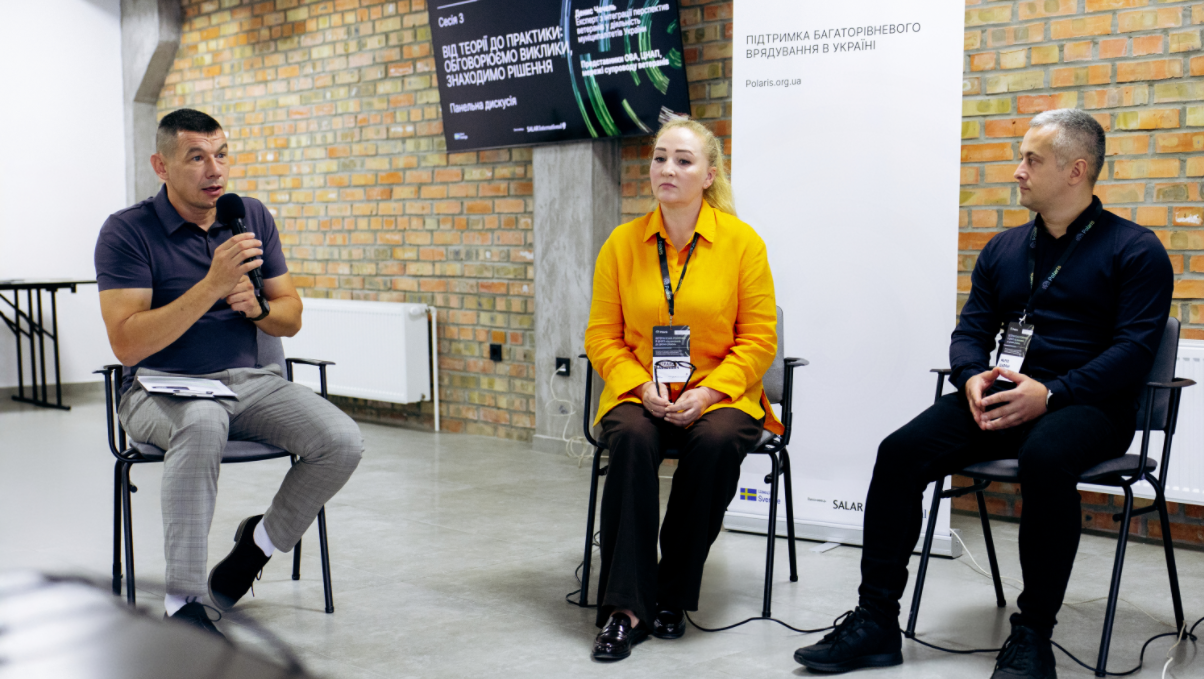
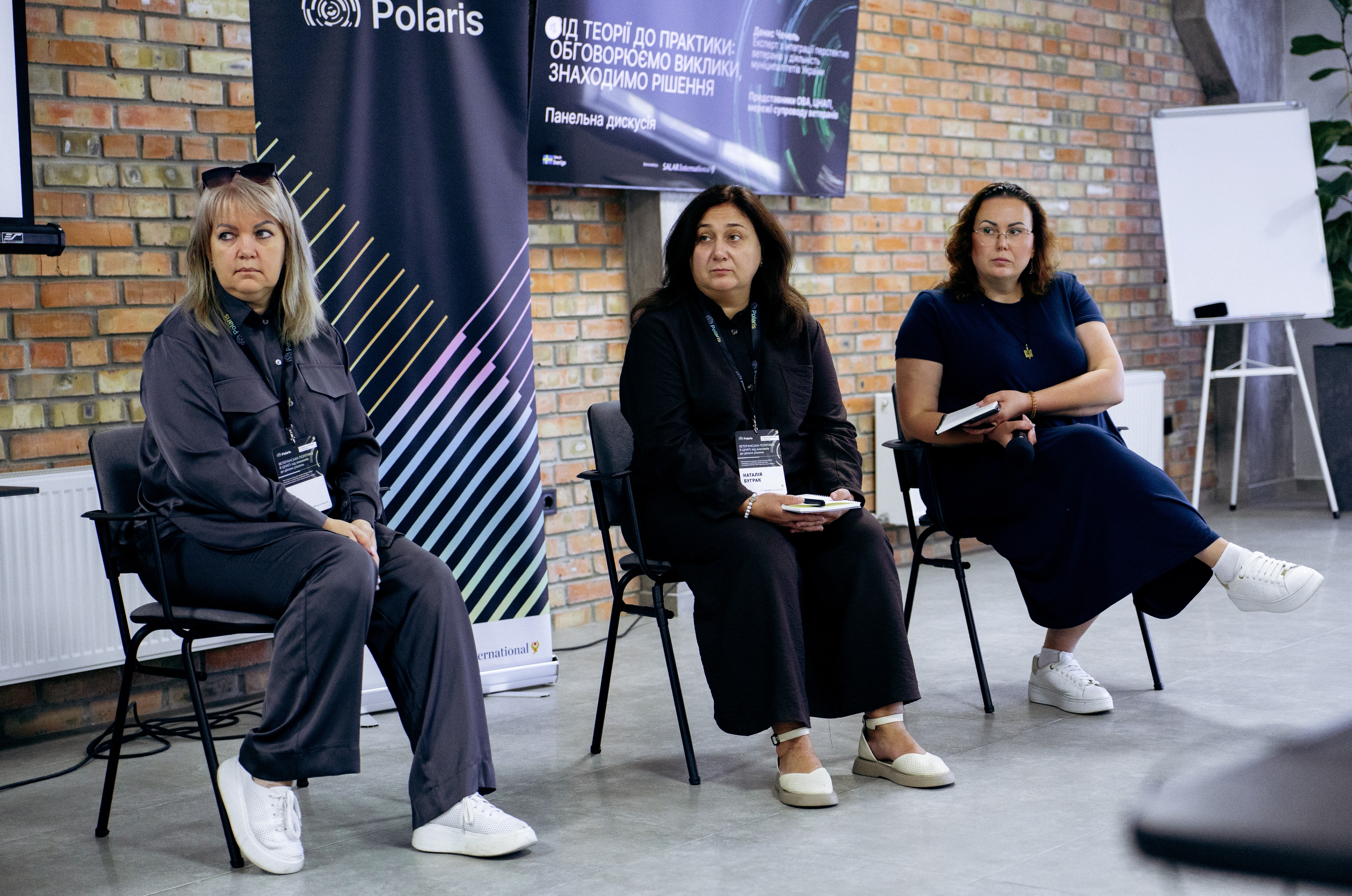
During the panel discussion, representatives of ASCs, the veteran support network, and regional authorities focused on day-to-day practice: what the role of an ASC administrator should be, how to ensure comprehensive guidance, how responsibilities should be divided among different specialists, and what can help respond more quickly to the needs of veterans and their family members.