
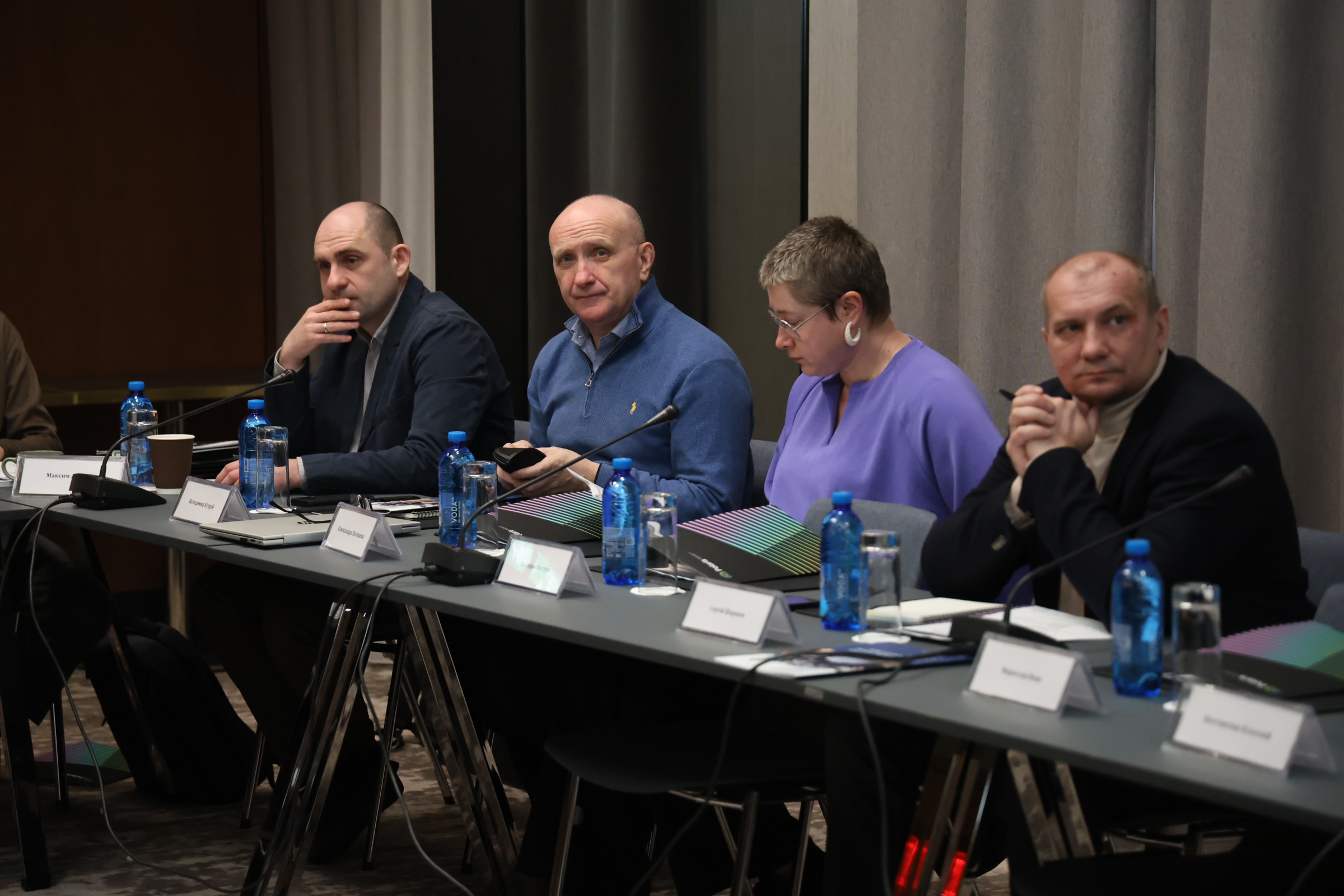
On 10 March 2026, a presentation and discussion of the results of the study “Peculiarities of Informing and Engaging Residents of Hromadas under Martial Law” took place in Kyiv. The study was conducted by the Polaris Programme: Supporting Multilevel Governance in Ukraine together with experts from the Ukrainian Independent Centre for Political Research, with the support of the national associations of local self-government bodies.
Opening remarks were delivered by Susanna Dellans, Polaris Programme Team Leader, SALAR International Representative in Ukraine, and Mykola Rubchak, Director of the Department for Multilevel Governance at the Ministry for Communities and Territories Development of Ukraine.
"High-quality information and the genuine participation of residents in decision-making are the foundation of strong local self-government. The higher the level of trust in society, the greater the security, resilience, and opportunities for development," said Susanna Dellans.

“Statutes of hromadas are the foundation for implementing mechanisms of local democracy – from public hearings to local initiatives. Methodological support from the Polaris Programme can help local self-government bodies act more effectively in introducing these instruments and building a transparent system of interaction between authorities and residents, where everyone has the opportunity to be heard and participate in decision-making,” noted Mykola Rubchak.

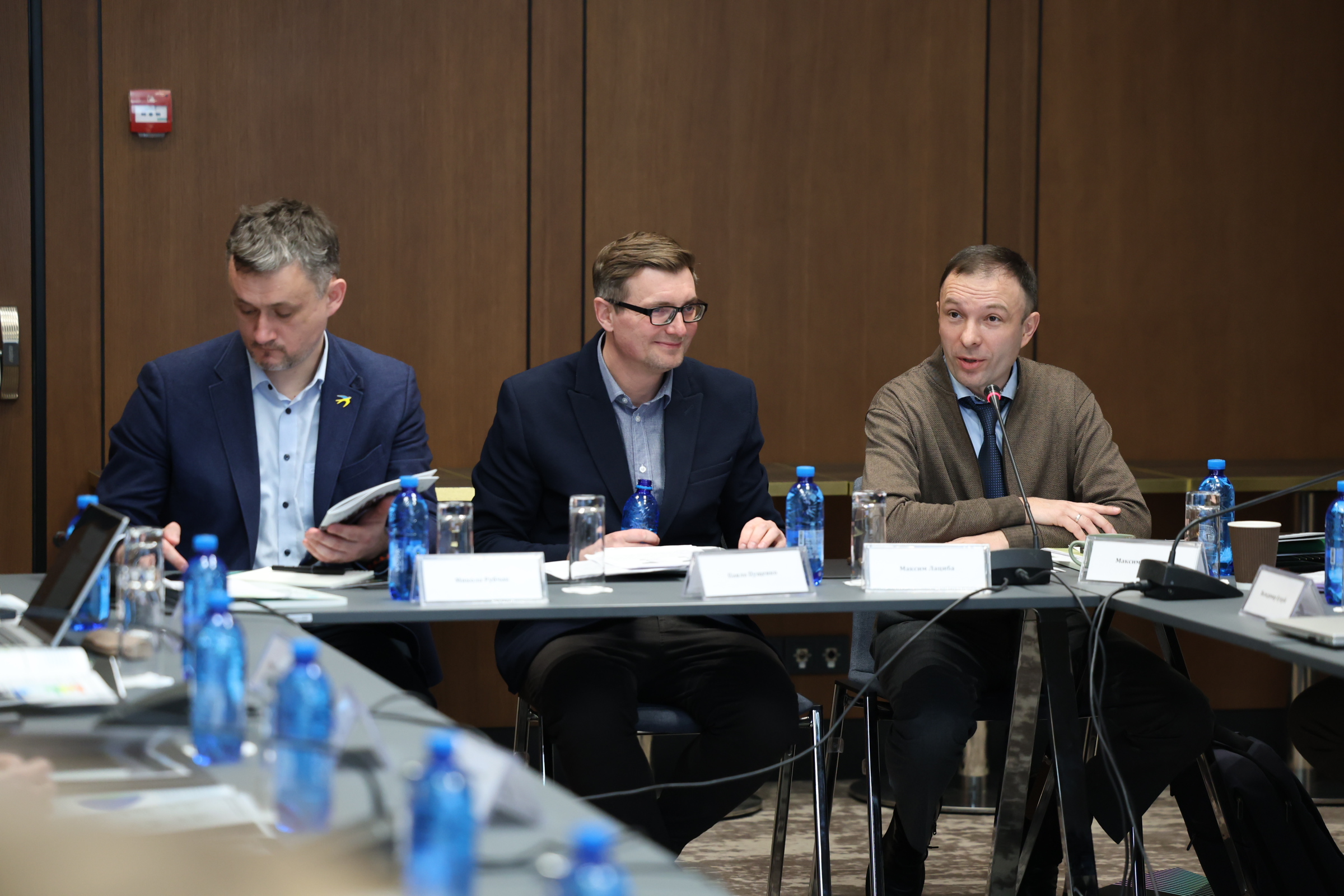
The study results were presented by Pavlo Pushchenko, Polaris Programme expert on citizen engagement, together with experts from the Ukrainian Independent Centre for Political Research, Maksym Latsyba and Maksym Lukiniuk. The study showed that under martial law, digital channels dominate communication and interaction with residents in hromadas – primarily official websites and social media pages of local self-government bodies, complemented by chats and groups in messaging applications. At the same time, the effectiveness of such communication is limited by the low digital literacy of some residents, staff shortages, and the high workload of local government employees.

The study also demonstrated that one of the key challenges remains the passivity and lack of trust among residents towards participation processes, as well as the absence in many hromadas of clearly designated officials responsible for citizen engagement. Another issue is outdated or missing hromada statutes, which complicates the use of public participation instruments. Among the recommendations are updating statutes and council regulations in line with legislation on people’s power, developing digital participation tools, designating responsible officials for communication and engagement with residents, and strengthening methodological and training support for local self-government bodies.
The role of associations of local self-government bodies in supporting hromadas on citizen engagement was highlighted by Serhii Sharshov, Deputy Executive Director of the All-Ukrainian Association of Amalgamated Territorial Hromadas: “Associations support hromadas in implementing new approaches to engagement, which is why we helped disseminate this survey among local self-government bodies. It makes it possible to systematise the experience of hromadas and allows each of them to voice their needs and influence the shaping of support at the national level.”
An important topic discussed during the event was the issue of hromada statutes. Among the surveyed hromadas, almost 40% still do not have this document, and the majority of those that do adopted it before the new legislation entered into force and therefore require updating. By 1 January 2027, the statute will become mandatory for all hromadas. Polaris partner hromadas shared practical experience in developing and implementing these statutes. For those just starting this process, the Ministry for Communities and Territories Development has prepared methodological recommendations with a model statute and tools for resident participation.
Polaris experts also presented approaches to engaging residents of hromadas in various areas of local development. In particular, practices of citizen participation in local recovery processes, the promotion of gender equality, the development of institutional capacity of starostas, and participation in the education sector were presented.

The event became a platform for discussing how to ensure effective communication between authorities and residents of hromadas in the difficult conditions of wartime, as well as how to preserve and further develop public participation instruments. The Polaris Programme will continue to promote systematic cooperation between state institutions, local self-government bodies, and the expert community to strengthen the capacity of hromadas for open and inclusive governance.
The study “Peculiarities of Informing and Engaging Residents of Hromadas under Martial Law” is available via the link.

