
Modern standards for administrative service delivery, digital tools, accessibility, and effective communication were the key focus areas of the "Skills for a Modern Administrative Service Centre Professional" training held on 15–17 July in Kropyvnytskyi. The training was organised by the Polaris Programme for newly recruited staff of Administrative Service Centres (ASCs) from hromadas across Kirovohrad Oblast.
The opening of the training was attended by Serhii Sheremet, Deputy Head of the Kirovohrad Regional Military Administration, and Svitlana Solomakha, Director of the Department for Economic Development and Trade of the Kirovohrad Regional Military Administration. They highlighted the importance of continuous professional development for ASC staff in ensuring high-quality administrative services for residents.
Over the course of three days, participants explored both practical and organisational aspects of operating modern Administrative Service Centres. The programme covered:
- the role of local self-government in organising administrative service delivery;
- communication systems and tools for informing residents about ASC services and operations;
- organisational and legal models of ASCs and human resource management;
- ensuring accessible administrative services within hromadas;
- inclusion as a foundation for accessibility and gender-sensitive service delivery;
- the role of village and settlement starostas in ensuring access to administrative services;
- effective communication techniques for working with visitors;
- conflict prevention and practical approaches to conflict resolution.
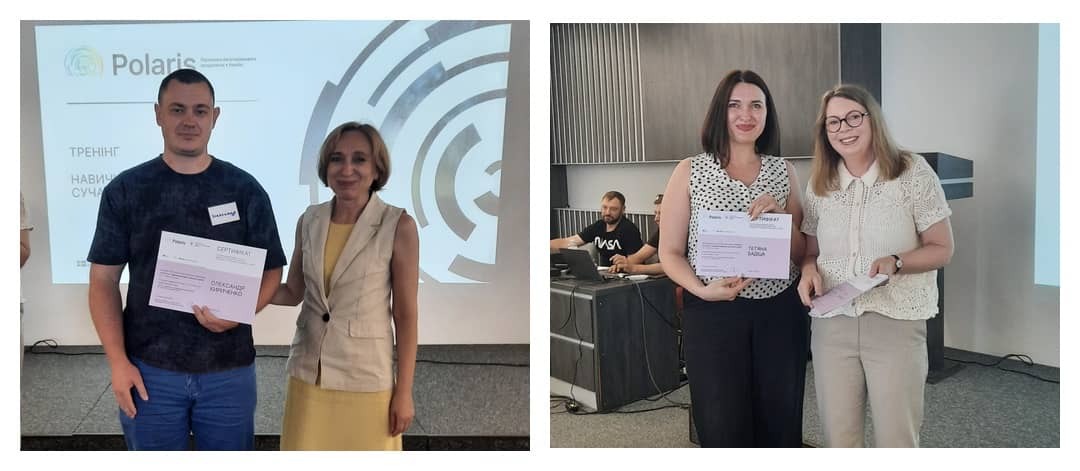
At the closing ceremony, Susanna Dellans, Head of the Polaris Programme and SALAR International’s Country Representative in Ukraine, encouraged participants to put their newly acquired knowledge into practice.
"Strong hromadas are built not only through infrastructure or digital solutions, but through the systematic development of teams and knowledge sharing. Supporting new ASC staff members helps maintain the stability of hromadas and quality of administrative services," said Susanna Dellans.
According to the post-training evaluation, the vast majority of participants said they intend to integrate the practices and tools introduced during the training into the daily work of their ASCs and apply innovative approaches to service delivery.
"The training was extremely engaging and practical. The trainers were highly competent professionals who managed to explain even complex topics in a clear and accessible way. I found the sessions on effective communication with visitors and conflict resolution especially valuable, as we had never had such practical tools before. I also gained a completely new perspective on inclusion and accessibility, which has changed the way I approach my daily work with residents. The speakers were inspiring, and the content was well structured and easy to follow," shared Svitlana Skoryk, Administrator at the Administrative Service Delivery Department of the Oleksandriia City Council.
Investing in the professional development of newly recruited ASC staff is essential for ensuring the long-term sustainability of Ukraine’s network of Administrative Service Centres, both at the regional and national levels. It strengthens the institutional capacity of ASCs and contributes to the continued development of a modern, accessible and people-centred administrative service system.
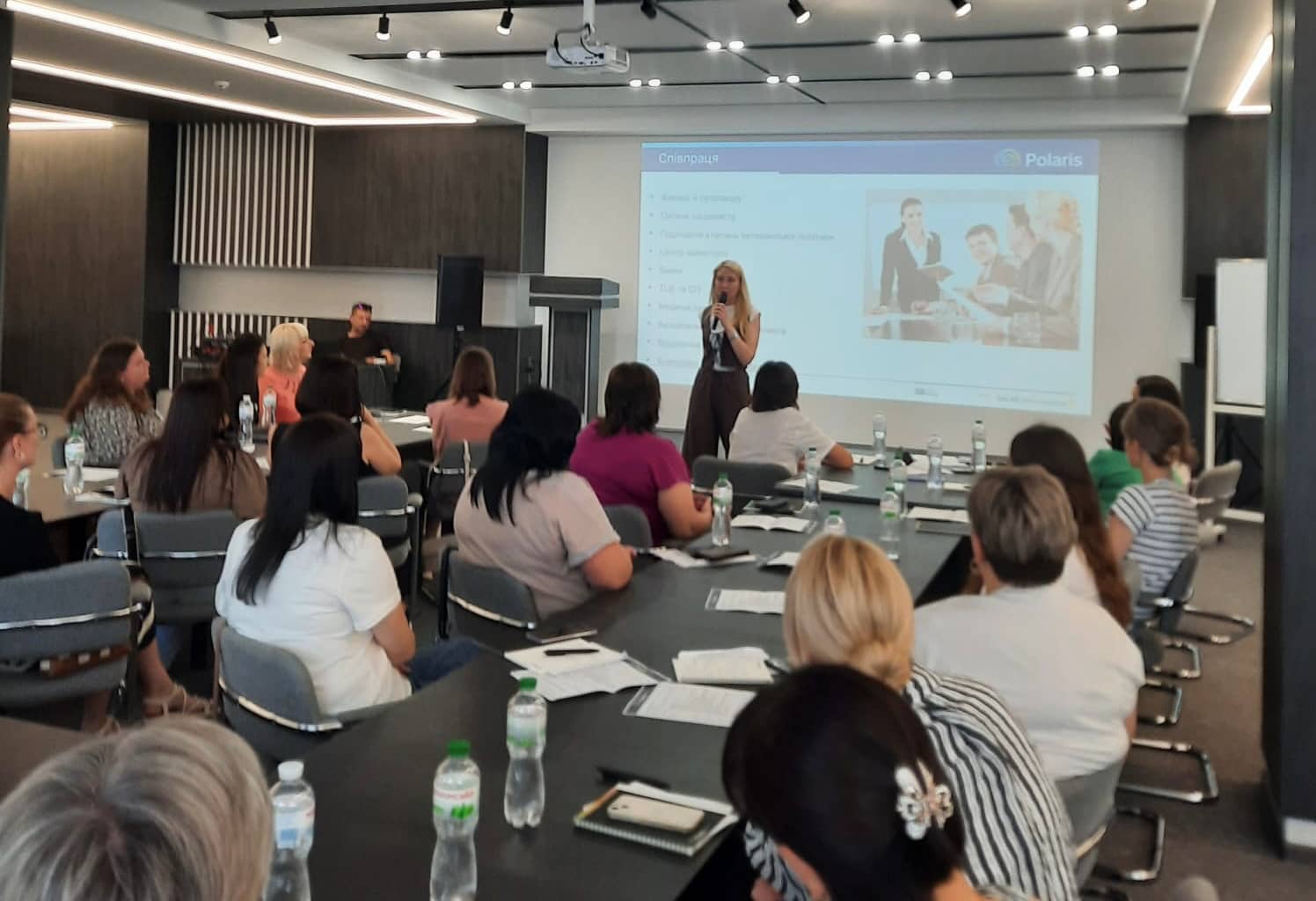
Through training initiatives implemented across different regions of Ukraine, the Polaris Programme supports newly recruited ASC professionals in adapting more quickly to their roles, applying modern service delivery standards, using digital tools, and embedding accessibility and people-centred approaches into their everyday work.

